
ARCO Madrid 2026 Overview
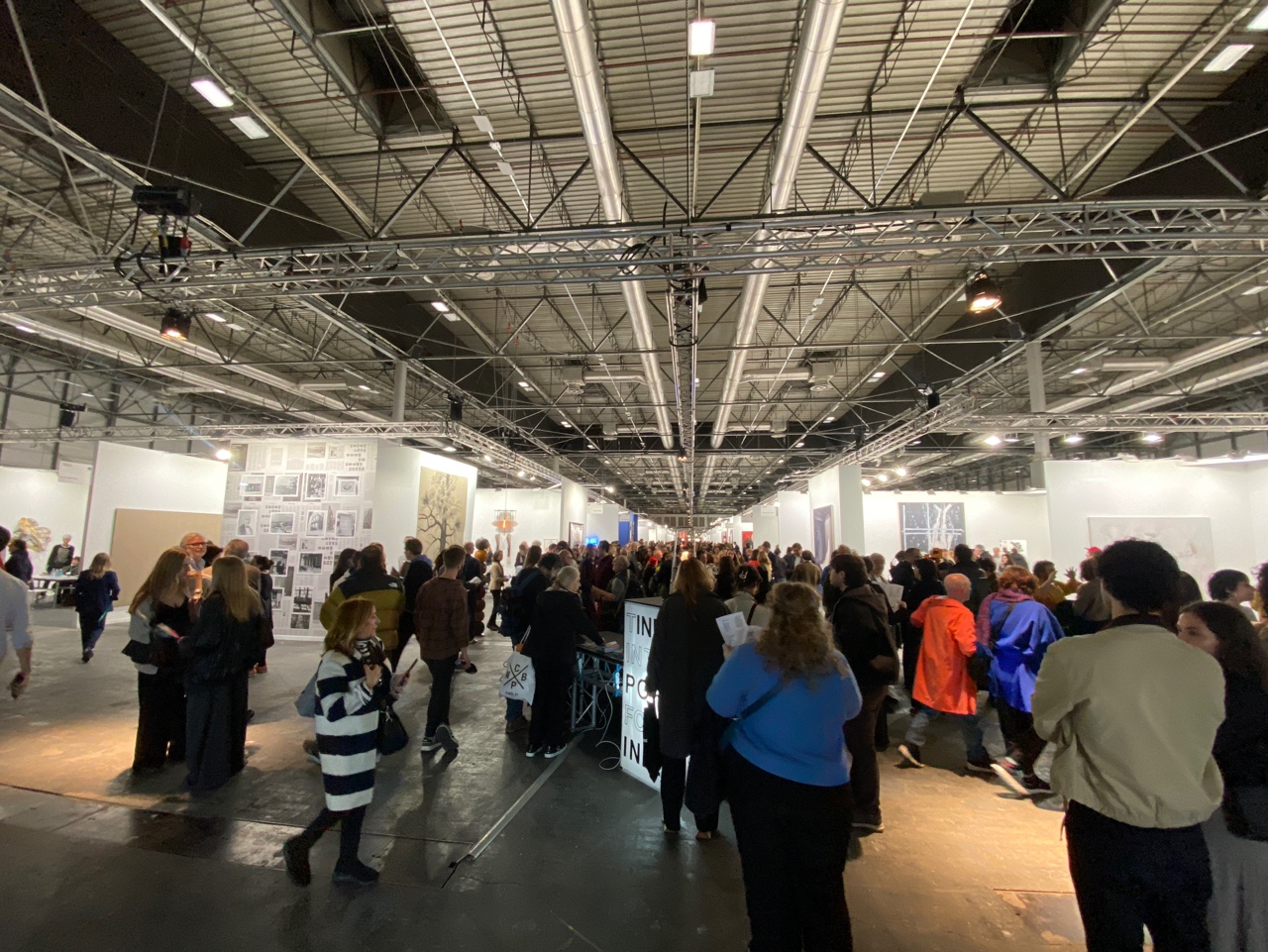
In early March, Madrid becomes the capital of the art world. During the five days of ARCOmadrid, the atmosphere at IFEMA buzzes with a unique energy, a mix of exhibitions, sales, parties, and discussions. This year, the fair celebrated its 45th edition, hosting 213 galleries from 30 countries. The composition of participating galleries was 34% Spanish and 66% international, with over 31% of the international galleries hailing from Latin America—particularly Brazil and Argentina—underscoring ARCO’s role as Europe’s premier gateway to the Latin American art scene. Official attendance reached around 95,000, including roughly 40,000 collectors, curators, and institutional professionals. The fair’s economic impact in Madrid was estimated at approximately €195 million.
ARCO director Maribel López emphasized that the fair is more than a marketplace: it is “a space where galleries, artists, and collectors engage organically and reflect together.” She added, “ARCO allows artists and galleries to present experimental work in a more relaxed setting than other fairs.” This balance between commercial and curatorial aims continues to draw galleries to Madrid year after year.
Fresh Faces and Notable Galleries
This edition showcased both emerging talent and established players. Programa General featured 175 galleries, complemented by ARCO2045 (17 galleries), the Opening section (19 galleries), and Perfiles, highlighting Latin American art (12 galleries). The thematic ARCO2045, “Future, in this Moment,” was split into two independent spaces, curated by José Luis Blondet and Magalí Arriola.
First-time international participants included Carlos/Ishikawa (London), Green Art Gallery (Dubai), Lia Rumma (Naples/Milan), Loevenbruck (Paris), and Zander (Cologne). Blue Velvet Projects and Fermay (Palma de Mallorca) were promoted from Opening to Programa General, while newcomers to Opening included 4710 Gallery (Tbilisi), ADA (Rome), gratin (New York), Enhorabuena Espacio (Madrid), Linse Galería (Buenos Aires), Method (Mumbai/New Delhi), Spiritvessel, and Window Project (Tbilisi).
A standout was Villa Magdalena, created by Cy Schnabel, son of Julian Schnabel, from his father’s San Sebastián studio. His observation that “many international artists cannot find representation in Spain” highlights both the potential and gaps in the Spanish gallery market.
Market Mood and Sales Highlights
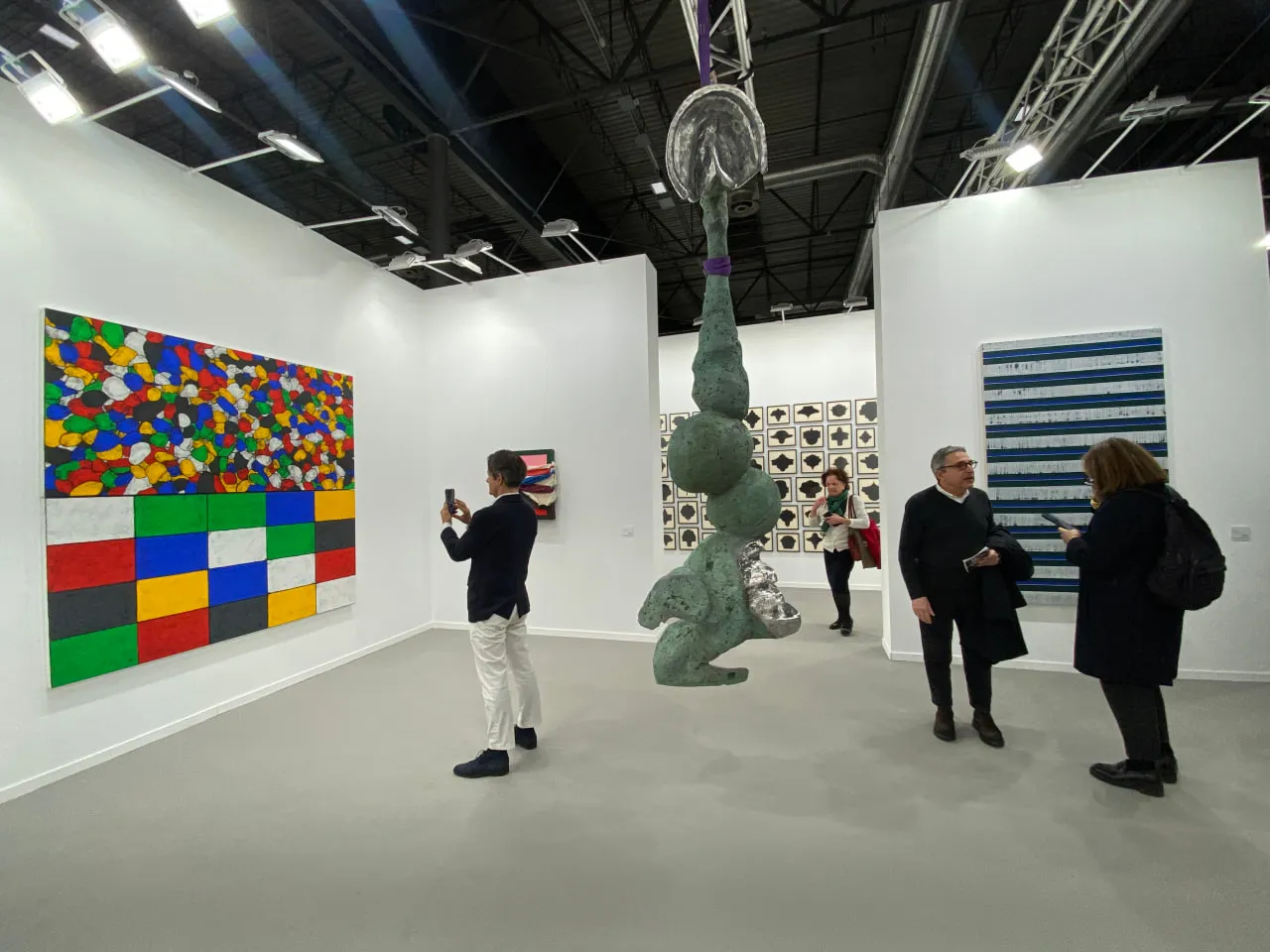
The market was cautious yet enthusiastic. Early in the fair, notable sales included:
- Société (Berlin): up to €100,000
- Carlos/Ishikawa (London): first-day booth sales reached three-quarters capacity with works by Brazilian artist Antonio Tarsis
- Bombon Projects (Madrid): Eva Fàbregas’ Regrowth (2026) sold for €9,000
- Capitain Petzel (Berlin): six works sold, ranging €20,000–100,000
- Krinzinger (Vienna): Selva De Carvalho works, €7,000–23,000
- Galerie Crone (Berlin/Vienna): Channa Horwitz, minimal and conceptual works from the 1960s–1980s, €15,000–60,000
Thaddaeus Ropac reported that more than half of Miquel Barceló’s works sold by afternoon, while Esther Schipper (Berlin) confirmed multiple sales exceeding €200,000. These early results reflected a careful yet committed collector base.
Institutional Engagement Leads the Way
One of ARCO’s distinctive strengths is the active participation of public institutions. Key buyers, including Museo Reina Sofía, Madrid City Hall, the Community of Madrid, Andalusia’s regional government, IVAM, Es Baluard, Fundación María José Jove, Fundación Sorigué, and Fundación María Cristina Masaveu Peterson, confirmed acquisition intentions prior to the fair.
On March 3, the day before the fair opened, Fundación ARCO held its Cartier-sponsored gala dinner at Reina Sofía, acquiring eight works by Abraham Cruzvillegas, Lia D Castro, and Katinka Bock for CA2M. Overall, Museo Reina Sofía purchased 17 works (€402,760, 64% by women artists), IVAM acquired 30 works (€555,000, the largest institutional spend), Andalusia increased its acquisitions by 45% compared to the previous year, and the Community of Madrid added three works by Los Bravú, Federico Miró, and LUCE to CA2M’s collection. These moves underline ARCO’s role as a practical platform for public collections, beyond commercial transactions.
The 21% VAT Challenge
The fair period was also marked by Spain’s high 21% VAT on art, a persistent challenge for the market. By comparison, France charges 5.5%, Germany 7%, and Portugal 5%, putting Spanish galleries, artists, and collectors at a structural disadvantage. In early February, over 200 galleries across Spain staged a coordinated shutdown and strike, with artists and collectors protesting outside institutions such as Museo Reina Sofía. The Ministry of Culture requested a VAT reduction from the Ministry of Finance, which responded that it was “not a priority.”
Director Maribel López highlighted the stakes: “Reducing VAT would immediately improve Spanish galleries’ competitiveness, increase visibility for Spanish artists in the medium term, and in the long term, shape how our society understands contemporary art.” Notably, Spain remains one of the major EU countries yet to implement the 2022 EU guideline allowing a minimum 5% VAT on artworks—a structural shift that could quickly enhance price competitiveness once enacted.
Shifting Dynamics: The Post-Helga Generation
This year’s ARCO also felt the absence of a longstanding presence. Galería Helga de Alvear, a founding participant since 1982, did not attend following Helga de Alvear’s death in 2025 and her daughters’ decision not to continue the gallery, signaling the end of an era in the Spanish art market.
Meanwhile, across Madrid, Barcelona, Palma, and A Coruña, 35–45-year-old galleries—primarily run by women—are stepping into the spotlight. Belmonte, Nordés, Bombon Projects, and Chiquita Room are championing politically and socially engaged contemporary art. Cy Schnabel’s Villa Magdalena Opening section participation further illustrates the challenge international artists face in securing representation in Spain.
When the City Becomes a Fair
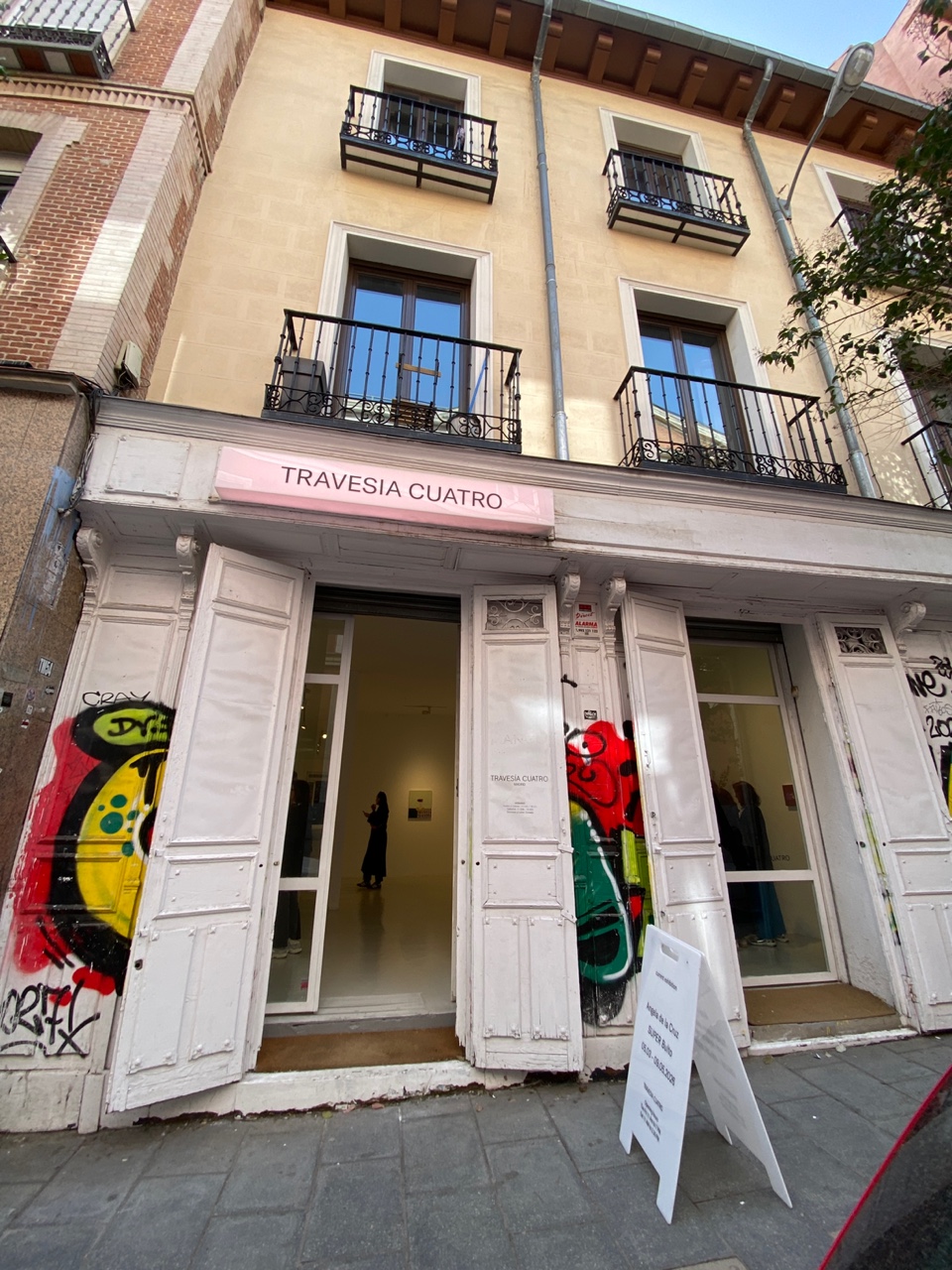
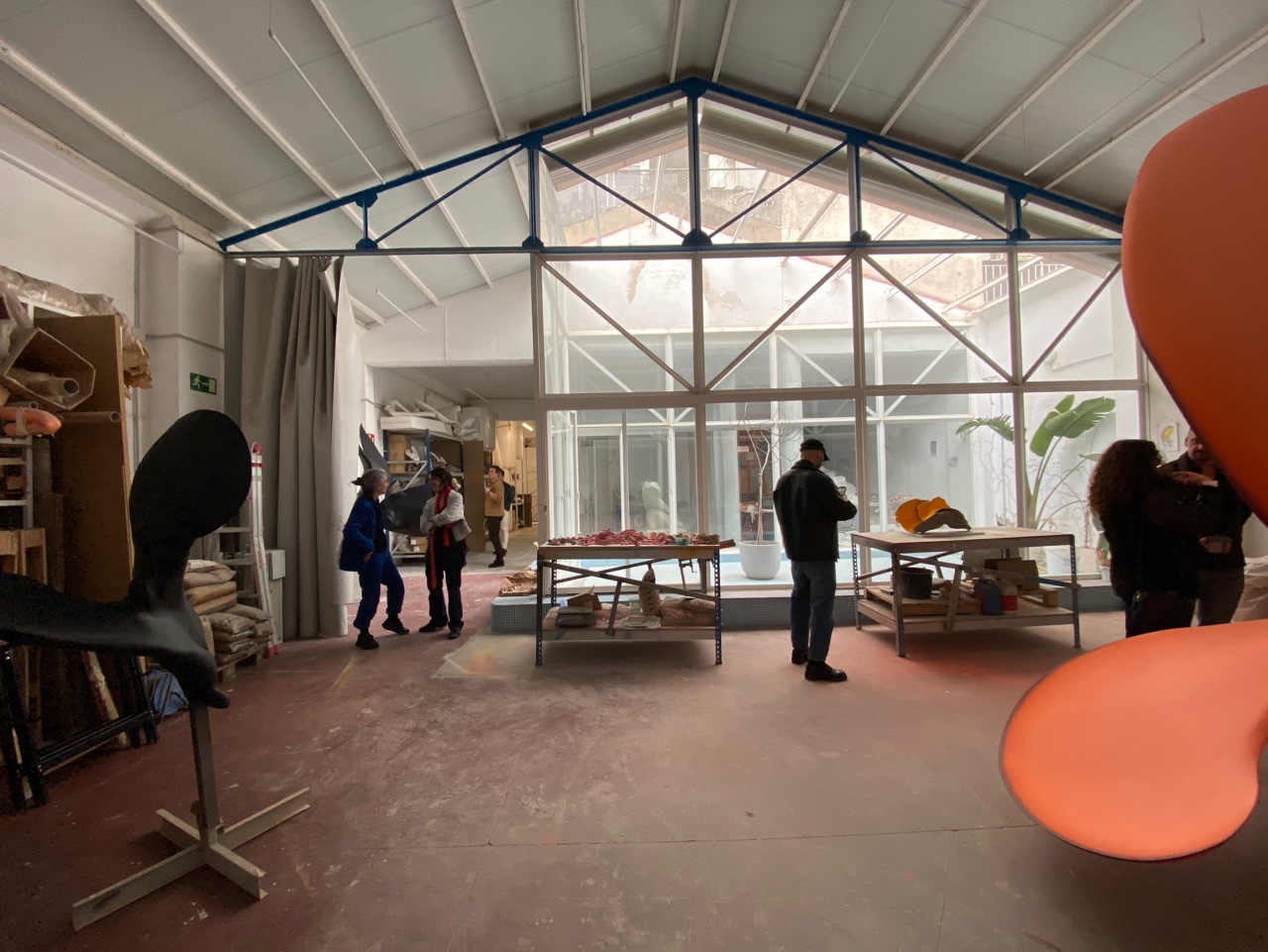
During ARCO, Madrid itself transforms into an art week. Galleries host openings, artists offer studio visits, and VIP dinners and networking events run nonstop. At the Thyssen-Bornemisza Museum, the first Spanish retrospective of Danish painter Vilhelm Hammershøi (El ojo que escucha) ran alongside Robert Rauschenberg’s centennial exhibition. Reina Sofía hosted Juan Uslé’s solo exhibition and the final weeks of Maruja Mallo’s large-scale retrospective. The 10th-anniversary CAN Art Fair (formerly Urvanity) and countless private tours and gallery events created a continuous flow of activity over five days. It is this city-wide momentum that elevates ARCO beyond a mere sales platform.
KALDI Insight
Walking the fair, one question lingers: where does ARCO’s identity sit? Positioned between regional competitors like Art Cologne, Artissima, and Art Brussels, and mega-fairs like Art Basel and Frieze, ARCO’s answer is clear: its strength lies in the Latin America connection and in offering a space where experimental works can be comfortably presented.
One notable shortcoming remains: Asian collectors and participants were largely absent. As in previous years, very few galleries from Korea or other Asian regions participated, and works by Asian artists were scarce outside major international galleries. While ARCO maintains a strong Europe–Latin America network, its connection to Asia remains limited, suggesting opportunities for broader global engagement.
Latin America–Europe connections, emerging galleries’ momentum, and the lingering VAT challenge—these defining narratives of 2026 leave us eager to see what new chapters ARCO Madrid 2027 will bring. The fair returns March 3–7, 2027.

ARCO Madrid 2026 현장리포트 — 라틴아메리카에서 유럽까지
ARCO Madrid 2026
3월 초 마드리드는 언제나 미술계의 수도가 된다. ARCOmadrid가 열리는 닷새 동안, IFEMA 전시장 안팎의 공기는 전시와 거래, 파티와 토론이 뒤섞인 특유의 에너지로 가득하다. 올해로 45주년을 맞이한 ARCO Madrid에는 30개국 213개 갤러리가 참여했으며, 참여 갤러리의 국적 구성은 스페인 34%, 국제 66%였다. 특히 국제 갤러리 중 31% 이상이 라틴아메리카 출신으로, 브라질과 아르헨티나의 비중이 두드러졌다. ARCO가 유럽과 라틴아메리카를 연결하는 가장 중요한 관문이라는 위상은 올해도 변함없었다. 공식 최종 방문객은 약 95,000명으로, 이 중 40,000명이 컬렉터, 큐레이터, 기관 관계자 등 전문가였다. 경제 파급효과는 마드리드 기준 약 1억 9,500만 유로로 집계됐다.
페어 디렉터 마리벨 로페즈(Maribel López)는 ARCO를 단순한 판매 장터가 아닌 "갤러리, 작가, 컬렉터가 유기적으로 교류하고 성찰하는 공간"으로 정의했다. "여기서는 다른 페어보다 더 실험적인 작품을 편하게 선보일 수 있다"는 것이 그녀가 말하는 ARCO의 본질이다. 상업성과 큐레이토리얼 사이의 균형을 찾으려는 이 노력이, 해마다 갤러리들을 마드리드로 다시 불러 모으는 힘이기도 하다.
이번 에디션의 주목할 얼굴들
섹션 구성은 Programa General 175개 갤러리를 중심으로, 테마 섹션 ARCO2045(17개), 신생 갤러리 섹션 Opening(19개), 라틴아메리카 섹션 Perfiles(12개)로 짜였다. 올해 테마 'ARCO2045: 미래, 지금 이 순간'은 처음으로 두 개의 독립 공간으로 구성됐다. 큐레이터는 José Luis Blondet과 Magalí Arriola.
신규 국제 갤러리로는 Carlos/Ishikawa(런던), Green Art Gallery(두바이), Lia Rumma(나폴리·밀라노), Loevenbruck(파리), Zander(쾰른)가 처음 참가했고, Blue Velvet Projects와 Fermay(팔마 데 마요르카)는 Opening 섹션을 거쳐 올해 Programa General로 승격됐다. Opening 섹션 신규 진입에는 4710 Gallery(트빌리시), ADA(로마), gratin(뉴욕), Enhorabuena Espacio(마드리드), Linse Galería(부에노스아이레스), Method(뭄바이/뉴델리), Spiritvessel, Window Project(트빌리시)가 이름을 올렸다.
미국 화가 Julian Schnabel의 아들 Cy Schnabel이 산 세바스티안의 아버지 스튜디오를 개조해 만든 Villa Magdalena도 이번 Opening 섹션에 데뷔했다. "많은 국제 작가들이 스페인에서 자신을 대리할 갤러리를 찾지 못하고 있다"는 그의 말은, 스페인 갤러리 시장의 확장 잠재력을 다른 각도에서 보여준다.
시장 분위기 및 판매실적
시장 분위기는 신중하면서도 열정적이었다. 개막 초반 일부 갤러리는 눈에 띄는 판매 성과를 기록했는데, Société(베를린)는 최대 10만 유로, Carlos/Ishikawa(런던)는 브라질 작가 Antonio Tarsis 작품 판매로 첫날 부스 매출의 3/4을 달성했다. Bombon Projects(마드리드)는 Eva Fàbregas의 Regrowth(2026)를 9,000유로에 판매했고, Capitain Petzel(베를린)은 첫날 6점을 2~10만 유로 구간에서 판매했다. Krinzinger(비엔나)는 Selva De Carvalho 작품을 7,000~23,000유로, Galerie Crone(베를린/비엔나)는 Channa Horwitz의 1960~1980년대 미니멀·개념주의 작품을 1만 5천~6만 유로에 선보였다. Thaddaeus Ropac은 Miquel Barceló 부스 작품이 "오후까지 절반 이상 판매됐다"고 밝혔고, Esther Schipper(베를린)는 20만 유로 이상의 복수 판매를 기록했다.
기관들이먼저움직였다
ARCO의 또 다른 강점은 스페인 공공 기관들의 적극적 매입이다. 레이나 소피아, 마드리드 시청, 마드리드 커뮤니티, 안달루시아 주정부, IVAM, Es Baluard, Fundación María José Jove, Fundación Sorigué, Fundación María Cristina Masaveu Peterson 등 주요 기관들은 페어 전부터 구매 의향을 공식 발표했다. 페어 전날인 3월 3일에는 레이나 소피아에서 Cartier 후원의 Fundación ARCO 갈라 디너가 열렸으며, 수익금으로 Abraham Cruzvillegas, Lia D Castro, Katinka Bock 등 8점을 구매해 CA2M에 소장했다. 레이나 소피아는 문화부 예산 €402,760으로 17점(여성 작가 64%)을, IVAM은 €555,000으로 30점을 구매하며 기관 중 최대 구매액을 기록했다. 안달루시아 주정부도 전년 대비 예산을 45% 늘려 11점을 취득했고, 마드리드 커뮤니티는 Los Bravú, Federico Miró, LUCE 세 작가의 작품을 CA2M에 소장했다.
ARCO가 단순한 상업 페어가 아닌, 공공 컬렉션의 실질적 플랫폼으로 기능한다는 것을 보여준다.
VAT 21%라는 거대한 숙제
페어 기간 전후 스페인 미술계를 뒤흔든 가장 큰 이슈는 예술품 부가세(VAT) 21% 문제였다. 프랑스 5.5%, 독일 7%, 포르투갈 5%와 비교해 현저히 높은 스페인 VAT는 갤러리와 작가, 컬렉터 모두에게 부담이었다. 이에 스페인 전역의 200여 개 갤러리가 2월 초 동시 휴업과 파업을 벌였고, 작가와 컬렉터들은 Museo Reina Sofía 등 주요 기관 앞에서 연좌 시위를 진행했다. 문화부는 재무부에 VAT 감면을 요청했으나, 재무부는 "현재 우선순위가 아니다"라고 사실상 거부 입장을 유지했다. 페어 공동 디렉터 마리벨 로페즈는 "VAT 인하는 단기적으로 스페인 갤러리의 경쟁력, 중기적으로 스페인 작가의 가시성, 장기적으로는 우리 사회가 현대미술을 이해하는 방식과 관련된다"고 지적하며, 감면 필요성을 명확히 했다. 스페인은 2022년 EU 지침(예술품 최소 5% VAT 허용)을 아직 국내법으로 전환하지 않은 주요 EU 국가라는 점도 주목할 만하다.
갤러리씬의 지각변동: '포스트-헬가' 세대의 부상
올해 ARCO에는 눈에 띄는 부재가 있었다. ARCO 1982년 창설부터 함께한 Galería Helga de Alvear는 2025년 헬가 데 알베아르(Helga de Alvear) 타계와 딸들의 가업 승계 거부 소식으로 44년 만에 처음 불참했다. 이는 스페인 미술시장 1세대가 저물고 있음을 상징한다.
동시에 마드리드, 바르셀로나, 팔마, 아 코루냐 등 전국에서 35~45세 주로 여성 갤러리스트들이 새로운 공간을 열며 시장 전면에 등장했다. Belmonte, Nordés, Bombon Projects, Chiquita Room 등이 정치적·사회적 메시지를 담은 현대미술을 선보였다. 흥미로운 사례로 미국 화가 Julian Schnabel의 아들 Cy Schnabel은 산 세바스티안에 있는 아버지의 스튜디오를 Villa Magdalena 갤러리로 전환, Opening 섹션에 참가하며 국제 작가들이 스페인에서 대리 갤러리를 찾기 어려운 현실을 보여주었다.
도시 전체가 페어가 된 마드리드
ARCO 기간 마드리드는 그 자체로 하나의 아트위크가 된다. 갤러리 오프닝, 작가 스튜디오 방문, VIP 디너, 네트워킹 행사 등 ARCO 연계 프로그램도 풍성했다. 티센 보르네미사에서는 덴마크 화가 Vilhelm Hammershøi의 첫 스페인 회고전 El ojo que escucha와 Robert Rauschenberg 탄생 100주년 기념전이 열렸고, 레이나 소피아에서는 Juan Uslé 개인전과 Maruja Mallo 대규모 회고전이 진행 중이었다. CAN Art Fair(구 Urvanity) 10주년 행사와 다양한 갤러리 오프닝, 프라이빗 투어, VIP 디너, 작가 스튜디오 방문 등 연계 프로그램이 닷새 내내 이어졌다. 도시 자체가 페어를 단순한 세일즈 플랫폼 이상으로 만드는 힘을 보여주었다.
칼디 인사이트
현장을 거닐며 떠오르는 질문이 있었다. ARCO는 자신의 정체성을 어디에 두고 있을까.
Art Cologne, Artissima, Art Brussels 같은 지역 페어와 경쟁하면서, 동시에 Art Basel·Frieze 같은 메가 페어와도 차별화를 찾아야 하는 위치. ARCO의 답은 명확해 보인다. 라틴아메리카라는 고유의 지리적 연결, 그리고 실험적인 작품도 편하게 내놓을 수 있는 분위기. 이것이 45년을 이어온 이 페어의 정체성이다.
한 가지, 올해도 아쉬움으로 남는 부분이 있다. 아시아 컬렉터와 관계자의 존재감이 거의 없었다. 작년에 이어 올해도 한국을 비롯한 아시아권에서 참여하는 갤러리는 극히 드물고, 아시아 작가도 인터국제적인 메가 갤러리에 소속된 일부를 제외하면 찾기 어려웠다. 유럽-라틴아메리카 연결에는 강하지만, 유럽-아시아 연결은 여전히 부족하다.
앞으로 ARCO가 글로벌 경쟁력을 강화하고 다양한 시장을 끌어들이기 위해서는 아시아 및 글로벌 네트워크 확대가 필요해보인다.
ARCO 2027은 3월 3~7일 다시 찾아온다. 라틴아메리카-유럽 연결, 젊은 갤러리스트들의 활약, 높은 세금 이슈까지—올해의 관전 포인트들이 내년에는 어떤 새로운 장면을 만들지 기대하며.
Sources: