KALDI INTELLIGENCE — DECODING THE GLOBAL ART MARKET
KALDI's original content — stories from inside the art world.
In-depth artist profiles, exhibition reviews, studio visits, fair reports, and conversations with the people shaping contemporary art.
-
 ARCO Madrid 2026
FAIR DIARY I ARCO Madrid 2026
From Latin America to Europe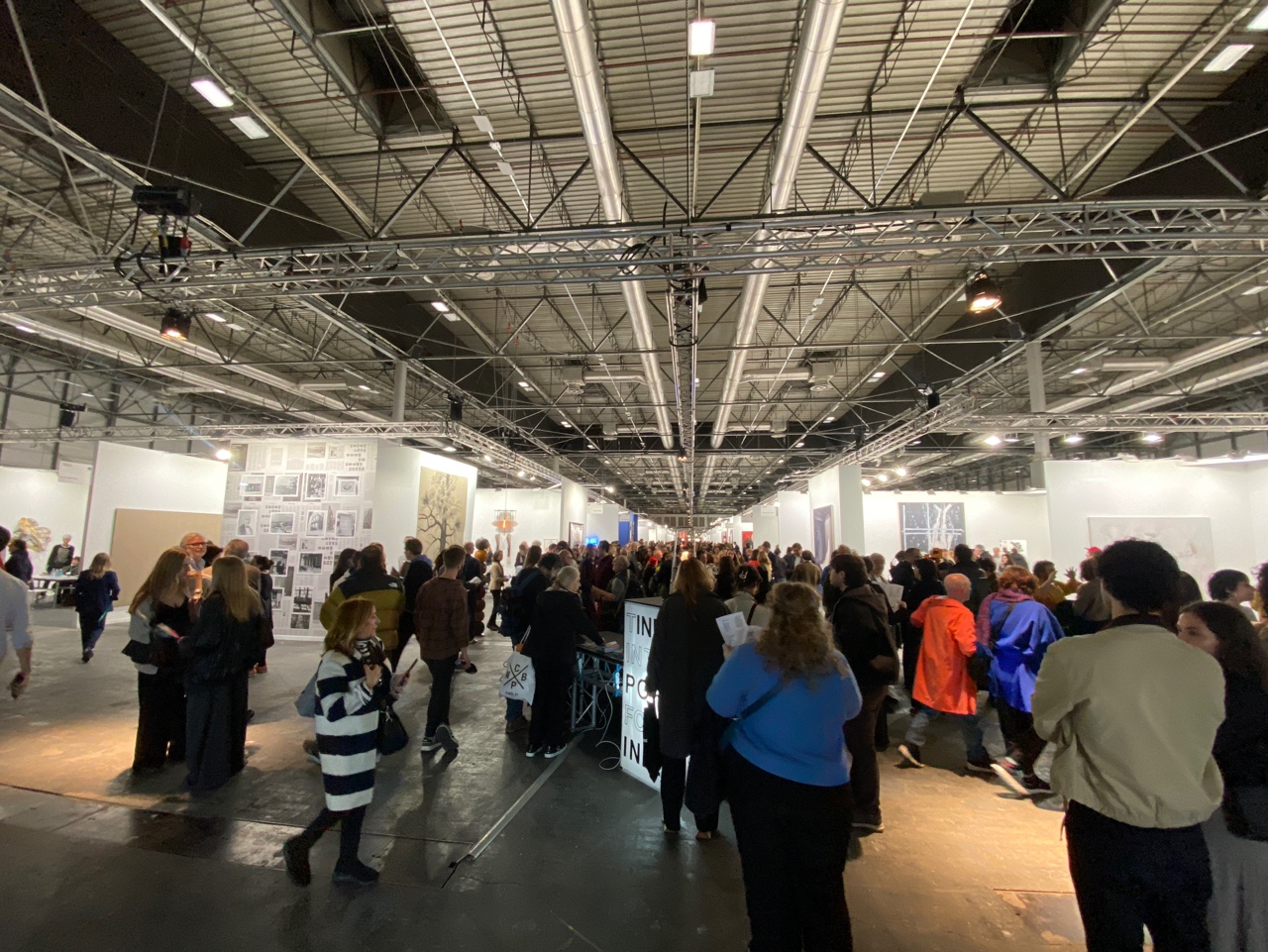
ARCO Madrid 2026 Overview
In early March, Madrid becomes the capital of the art world. During the five days of ARCOmadrid, the atmosphere at IFEMA buzzes with a unique energy, a mix of exhibitions, sales, parties, and discussions. This year, the fair celebrated its 45th edition, hosting 213 galleries from 30 countries. The composition of participating galleries was 34% Spanish and 66% international, with over 31% of the international galleries hailing from Latin America—particularly Brazil and Argentina—underscoring ARCO’s role as Europe’s premier gateway to the Latin American art scene. Official attendance reached around 95,000, including roughly 40,000 collectors, curators, and institutional professionals. The fair’s economic impact in Madrid was estimated at approximately €195 million.
ARCO director Maribel López emphasized that the fair is more than a marketplace: it is “a space where galleries, artists, and collectors engage organically and reflect together.” She added, “ARCO allows artists and galleries to present experimental work in a more relaxed setting than other fairs.” This balance between commercial and curatorial aims continues to draw galleries to Madrid year after year.
Fresh Faces and Notable Galleries
This edition showcased both emerging talent and established players. Programa General featured 175 galleries, complemented by ARCO2045 (17 galleries), the Opening section (19 galleries), and Perfiles, highlighting Latin American art (12 galleries). The thematic ARCO2045, “Future, in this Moment,” was split into two independent spaces, curated by José Luis Blondet and Magalí Arriola.
First-time international participants included Carlos/Ishikawa (London), Green Art Gallery (Dubai), Lia Rumma (Naples/Milan), Loevenbruck (Paris), and Zander (Cologne). Blue Velvet Projects and Fermay (Palma de Mallorca) were promoted from Opening to Programa General, while newcomers to Opening included 4710 Gallery (Tbilisi), ADA (Rome), gratin (New York), Enhorabuena Espacio (Madrid), Linse Galería (Buenos Aires), Method (Mumbai/New Delhi), Spiritvessel, and Window Project (Tbilisi).
A standout was Villa Magdalena, created by Cy Schnabel, son of Julian Schnabel, from his father’s San Sebastián studio. His observation that “many international artists cannot find representation in Spain” highlights both the potential and gaps in the Spanish gallery market.
Market Mood and Sales Highlights
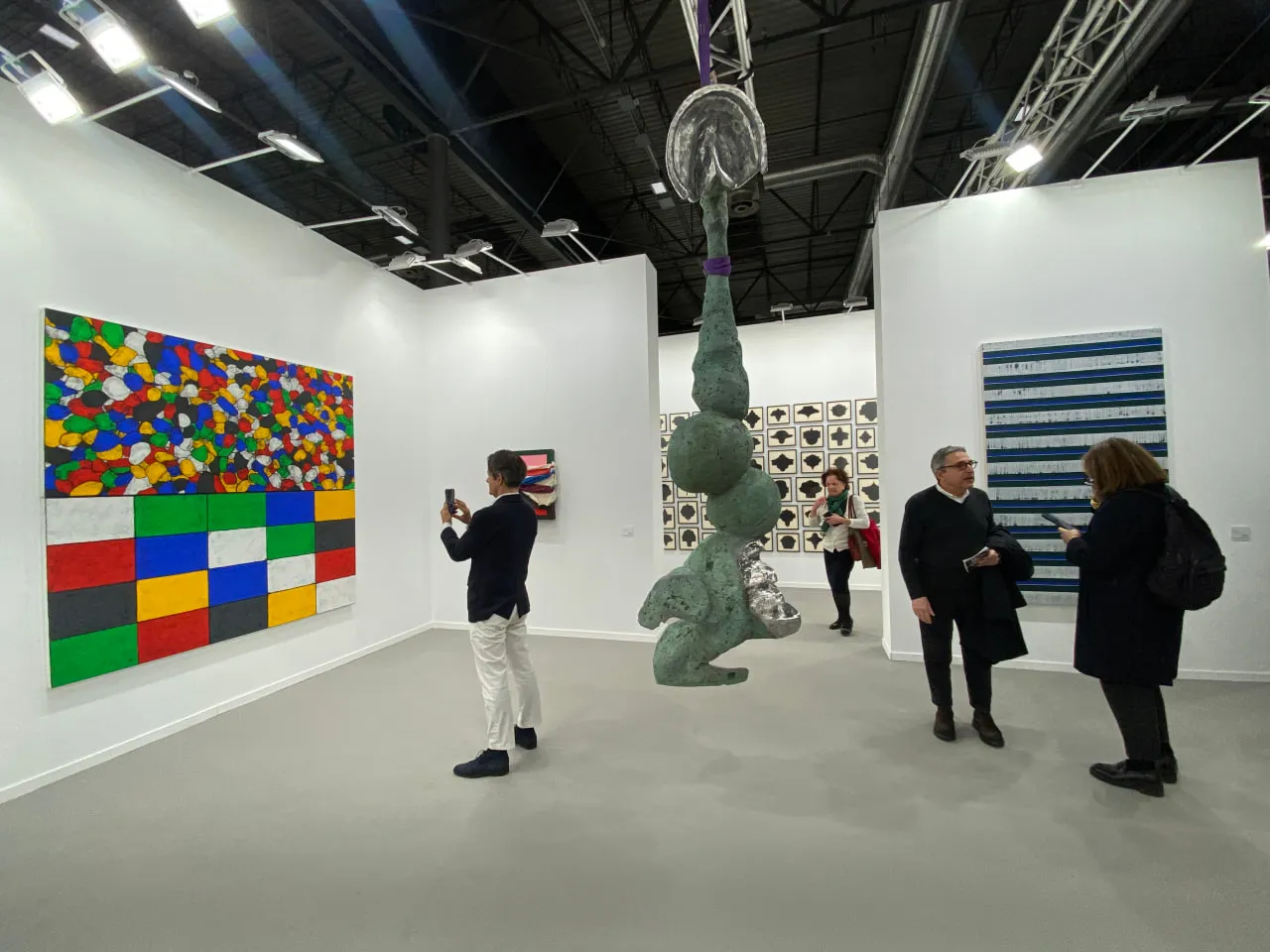
The market was cautious yet enthusiastic. Early in the fair, notable sales included:
- Société (Berlin): up to €100,000
- Carlos/Ishikawa (London): first-day booth sales reached three-quarters capacity with works by Brazilian artist Antonio Tarsis
- Bombon Projects (Madrid): Eva Fàbregas’ Regrowth (2026) sold for €9,000
- Capitain Petzel (Berlin): six works sold, ranging €20,000–100,000
- Krinzinger (Vienna): Selva De Carvalho works, €7,000–23,000
- Galerie Crone (Berlin/Vienna): Channa Horwitz, minimal and conceptual works from the 1960s–1980s, €15,000–60,000
Thaddaeus Ropac reported that more than half of Miquel Barceló’s works sold by afternoon, while Esther Schipper (Berlin) confirmed multiple sales exceeding €200,000. These early results reflected a careful yet committed collector base.
Institutional Engagement Leads the Way
One of ARCO’s distinctive strengths is the active participation of public institutions. Key buyers, including Museo Reina Sofía, Madrid City Hall, the Community of Madrid, Andalusia’s regional government, IVAM, Es Baluard, Fundación María José Jove, Fundación Sorigué, and Fundación María Cristina Masaveu Peterson, confirmed acquisition intentions prior to the fair.
On March 3, the day before the fair opened, Fundación ARCO held its Cartier-sponsored gala dinner at Reina Sofía, acquiring eight works by Abraham Cruzvillegas, Lia D Castro, and Katinka Bock for CA2M. Overall, Museo Reina Sofía purchased 17 works (€402,760, 64% by women artists), IVAM acquired 30 works (€555,000, the largest institutional spend), Andalusia increased its acquisitions by 45% compared to the previous year, and the Community of Madrid added three works by Los Bravú, Federico Miró, and LUCE to CA2M’s collection. These moves underline ARCO’s role as a practical platform for public collections, beyond commercial transactions.
The 21% VAT Challenge
The fair period was also marked by Spain’s high 21% VAT on art, a persistent challenge for the market. By comparison, France charges 5.5%, Germany 7%, and Portugal 5%, putting Spanish galleries, artists, and collectors at a structural disadvantage. In early February, over 200 galleries across Spain staged a coordinated shutdown and strike, with artists and collectors protesting outside institutions such as Museo Reina Sofía. The Ministry of Culture requested a VAT reduction from the Ministry of Finance, which responded that it was “not a priority.”
Director Maribel López highlighted the stakes: “Reducing VAT would immediately improve Spanish galleries’ competitiveness, increase visibility for Spanish artists in the medium term, and in the long term, shape how our society understands contemporary art.” Notably, Spain remains one of the major EU countries yet to implement the 2022 EU guideline allowing a minimum 5% VAT on artworks—a structural shift that could quickly enhance price competitiveness once enacted.
Shifting Dynamics: The Post-Helga Generation
This year’s ARCO also felt the absence of a longstanding presence. Galería Helga de Alvear, a founding participant since 1982, did not attend following Helga de Alvear’s death in 2025 and her daughters’ decision not to continue the gallery, signaling the end of an era in the Spanish art market.
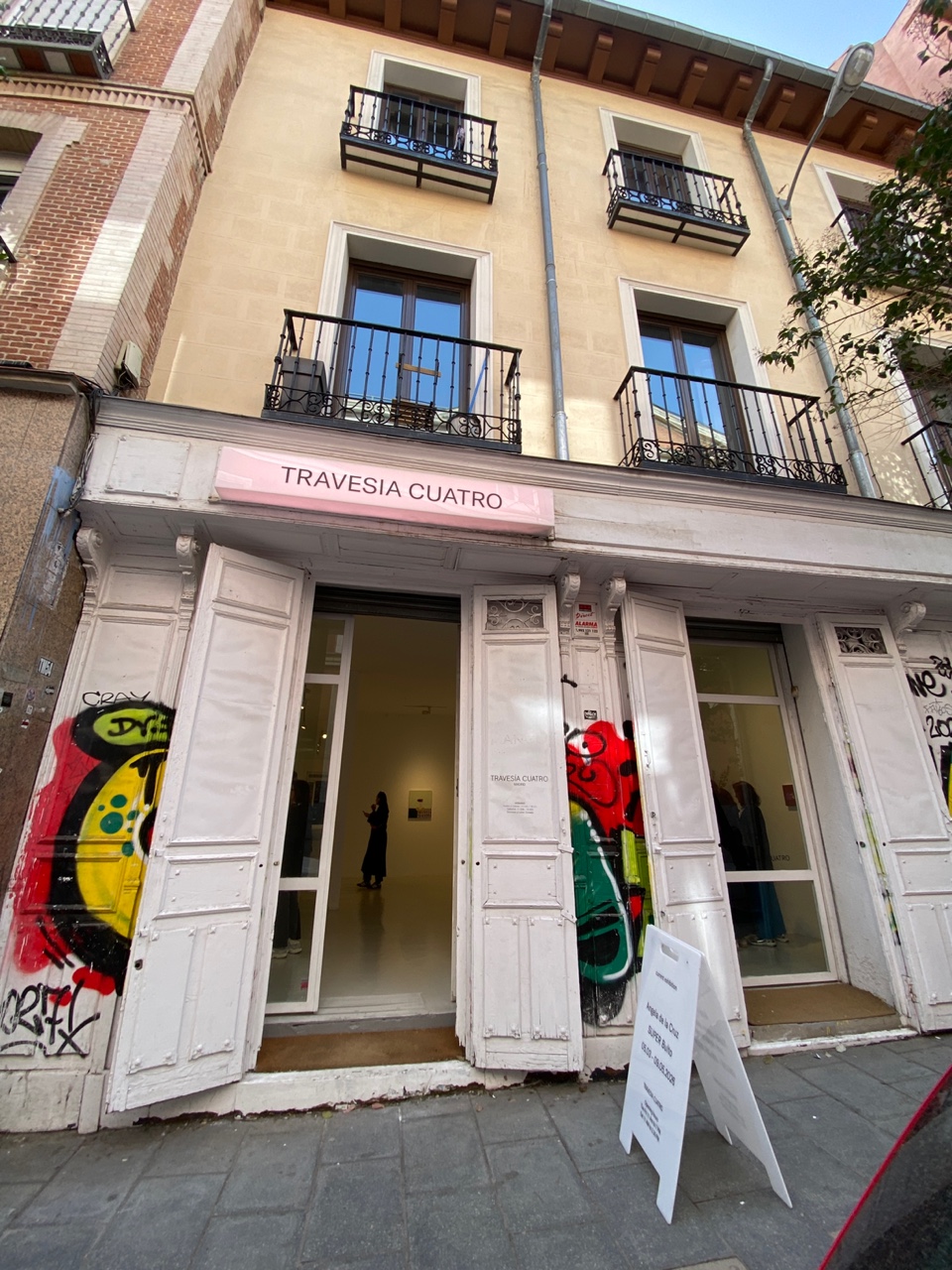
Meanwhile, across Madrid, Barcelona, Palma, and A Coruña, 35–45-year-old galleries—primarily run by women—are stepping into the spotlight. Belmonte, Nordés, Bombon Projects, and Chiquita Room are championing politically and socially engaged contemporary art. Cy Schnabel’s Villa Magdalena Opening section participation further illustrates the challenge international artists face in securing representation in Spain.
When the City Becomes a Fair
During ARCO, Madrid itself transforms into an art week. Galleries host openings, artists offer studio visits, and VIP dinners and networking events run nonstop. At the Thyssen-Bornemisza Museum, the first Spanish retrospective of Danish painter Vilhelm Hammershøi (El ojo que escucha) ran alongside Robert Rauschenberg’s centennial exhibition. Reina Sofía hosted Juan Uslé’s solo exhibition and the final weeks of Maruja Mallo’s large-scale retrospective. The 10th-anniversary CAN Art Fair (formerly Urvanity) and countless private tours and gallery events created a continuous flow of activity over five days. It is this city-wide momentum that elevates ARCO beyond a mere sales platform.
KALDI Insight
Walking the fair, one question lingers: where does ARCO’s identity sit? Positioned between regional competitors like Art Cologne, Artissima, and Art Brussels, and mega-fairs like Art Basel and Frieze, ARCO’s answer is clear: its strength lies in the Latin America connection and in offering a space where experimental works can be comfortably presented.
One notable shortcoming remains: Asian collectors and participants were largely absent. As in previous years, very few galleries from Korea or other Asian regions participated, and works by Asian artists were scarce outside major international galleries. While ARCO maintains a strong Europe–Latin America network, its connection to Asia remains limited, suggesting opportunities for broader global engagement.
Latin America–Europe connections, emerging galleries’ momentum, and the lingering VAT challenge—these defining narratives of 2026 leave us eager to see what new chapters ARCO Madrid 2027 will bring. The fair returns March 3–7, 2027.

ARCO Madrid 2026 현장리포트 — 라틴아메리카에서 유럽까지
ARCO Madrid 2026
3월 초 마드리드는 언제나 미술계의 수도가 된다. ARCOmadrid가 열리는 닷새 동안, IFEMA 전시장 안팎의 공기는 전시와 거래, 파티와 토론이 뒤섞인 특유의 에너지로 가득하다. 올해로 45주년을 맞이한 ARCO Madrid에는 30개국 213개 갤러리가 참여했으며, 참여 갤러리의 국적 구성은 스페인 34%, 국제 66%였다. 특히 국제 갤러리 중 31% 이상이 라틴아메리카 출신으로, 브라질과 아르헨티나의 비중이 두드러졌다. ARCO가 유럽과 라틴아메리카를 연결하는 가장 중요한 관문이라는 위상은 올해도 변함없었다. 공식 최종 방문객은 약 95,000명으로, 이 중 40,000명이 컬렉터, 큐레이터, 기관 관계자 등 전문가였다. 경제 파급효과는 마드리드 기준 약 1억 9,500만 유로로 집계됐다.
페어 디렉터 마리벨 로페즈(Maribel López)는 ARCO를 단순한 판매 장터가 아닌 "갤러리, 작가, 컬렉터가 유기적으로 교류하고 성찰하는 공간"으로 정의했다. "여기서는 다른 페어보다 더 실험적인 작품을 편하게 선보일 수 있다"는 것이 그녀가 말하는 ARCO의 본질이다. 상업성과 큐레이토리얼 사이의 균형을 찾으려는 이 노력이, 해마다 갤러리들을 마드리드로 다시 불러 모으는 힘이기도 하다.
이번 에디션의 주목할 얼굴들
섹션 구성은 Programa General 175개 갤러리를 중심으로, 테마 섹션 ARCO2045(17개), 신생 갤러리 섹션 Opening(19개), 라틴아메리카 섹션 Perfiles(12개)로 짜였다. 올해 테마 'ARCO2045: 미래, 지금 이 순간'은 처음으로 두 개의 독립 공간으로 구성됐다. 큐레이터는 José Luis Blondet과 Magalí Arriola.
신규 국제 갤러리로는 Carlos/Ishikawa(런던), Green Art Gallery(두바이), Lia Rumma(나폴리·밀라노), Loevenbruck(파리), Zander(쾰른)가 처음 참가했고, Blue Velvet Projects와 Fermay(팔마 데 마요르카)는 Opening 섹션을 거쳐 올해 Programa General로 승격됐다. Opening 섹션 신규 진입에는 4710 Gallery(트빌리시), ADA(로마), gratin(뉴욕), Enhorabuena Espacio(마드리드), Linse Galería(부에노스아이레스), Method(뭄바이/뉴델리), Spiritvessel, Window Project(트빌리시)가 이름을 올렸다.
미국 화가 Julian Schnabel의 아들 Cy Schnabel이 산 세바스티안의 아버지 스튜디오를 개조해 만든 Villa Magdalena도 이번 Opening 섹션에 데뷔했다. "많은 국제 작가들이 스페인에서 자신을 대리할 갤러리를 찾지 못하고 있다"는 그의 말은, 스페인 갤러리 시장의 확장 잠재력을 다른 각도에서 보여준다.
시장 분위기 및 판매실적
시장 분위기는 신중하면서도 열정적이었다. 개막 초반 일부 갤러리는 눈에 띄는 판매 성과를 기록했는데, Société(베를린)는 최대 10만 유로, Carlos/Ishikawa(런던)는 브라질 작가 Antonio Tarsis 작품 판매로 첫날 부스 매출의 3/4을 달성했다. Bombon Projects(마드리드)는 Eva Fàbregas의 Regrowth(2026)를 9,000유로에 판매했고, Capitain Petzel(베를린)은 첫날 6점을 2~10만 유로 구간에서 판매했다. Krinzinger(비엔나)는 Selva De Carvalho 작품을 7,000~23,000유로, Galerie Crone(베를린/비엔나)는 Channa Horwitz의 1960~1980년대 미니멀·개념주의 작품을 1만 5천~6만 유로에 선보였다. Thaddaeus Ropac은 Miquel Barceló 부스 작품이 "오후까지 절반 이상 판매됐다"고 밝혔고, Esther Schipper(베를린)는 20만 유로 이상의 복수 판매를 기록했다.
기관들이먼저움직였다
ARCO의 또 다른 강점은 스페인 공공 기관들의 적극적 매입이다. 레이나 소피아, 마드리드 시청, 마드리드 커뮤니티, 안달루시아 주정부, IVAM, Es Baluard, Fundación María José Jove, Fundación Sorigué, Fundación María Cristina Masaveu Peterson 등 주요 기관들은 페어 전부터 구매 의향을 공식 발표했다. 페어 전날인 3월 3일에는 레이나 소피아에서 Cartier 후원의 Fundación ARCO 갈라 디너가 열렸으며, 수익금으로 Abraham Cruzvillegas, Lia D Castro, Katinka Bock 등 8점을 구매해 CA2M에 소장했다. 레이나 소피아는 문화부 예산 €402,760으로 17점(여성 작가 64%)을, IVAM은 €555,000으로 30점을 구매하며 기관 중 최대 구매액을 기록했다. 안달루시아 주정부도 전년 대비 예산을 45% 늘려 11점을 취득했고, 마드리드 커뮤니티는 Los Bravú, Federico Miró, LUCE 세 작가의 작품을 CA2M에 소장했다.
ARCO가 단순한 상업 페어가 아닌, 공공 컬렉션의 실질적 플랫폼으로 기능한다는 것을 보여준다.VAT 21%라는 거대한 숙제
페어 기간 전후 스페인 미술계를 뒤흔든 가장 큰 이슈는 예술품 부가세(VAT) 21% 문제였다. 프랑스 5.5%, 독일 7%, 포르투갈 5%와 비교해 현저히 높은 스페인 VAT는 갤러리와 작가, 컬렉터 모두에게 부담이었다. 이에 스페인 전역의 200여 개 갤러리가 2월 초 동시 휴업과 파업을 벌였고, 작가와 컬렉터들은 Museo Reina Sofía 등 주요 기관 앞에서 연좌 시위를 진행했다. 문화부는 재무부에 VAT 감면을 요청했으나, 재무부는 "현재 우선순위가 아니다"라고 사실상 거부 입장을 유지했다. 페어 공동 디렉터 마리벨 로페즈는 "VAT 인하는 단기적으로 스페인 갤러리의 경쟁력, 중기적으로 스페인 작가의 가시성, 장기적으로는 우리 사회가 현대미술을 이해하는 방식과 관련된다"고 지적하며, 감면 필요성을 명확히 했다. 스페인은 2022년 EU 지침(예술품 최소 5% VAT 허용)을 아직 국내법으로 전환하지 않은 주요 EU 국가라는 점도 주목할 만하다.
갤러리씬의 지각변동: '포스트-헬가' 세대의 부상
올해 ARCO에는 눈에 띄는 부재가 있었다. ARCO 1982년 창설부터 함께한 Galería Helga de Alvear는 2025년 헬가 데 알베아르(Helga de Alvear) 타계와 딸들의 가업 승계 거부 소식으로 44년 만에 처음 불참했다. 이는 스페인 미술시장 1세대가 저물고 있음을 상징한다.
동시에 마드리드, 바르셀로나, 팔마, 아 코루냐 등 전국에서 35~45세 주로 여성 갤러리스트들이 새로운 공간을 열며 시장 전면에 등장했다. Belmonte, Nordés, Bombon Projects, Chiquita Room 등이 정치적·사회적 메시지를 담은 현대미술을 선보였다. 흥미로운 사례로 미국 화가 Julian Schnabel의 아들 Cy Schnabel은 산 세바스티안에 있는 아버지의 스튜디오를 Villa Magdalena 갤러리로 전환, Opening 섹션에 참가하며 국제 작가들이 스페인에서 대리 갤러리를 찾기 어려운 현실을 보여주었다.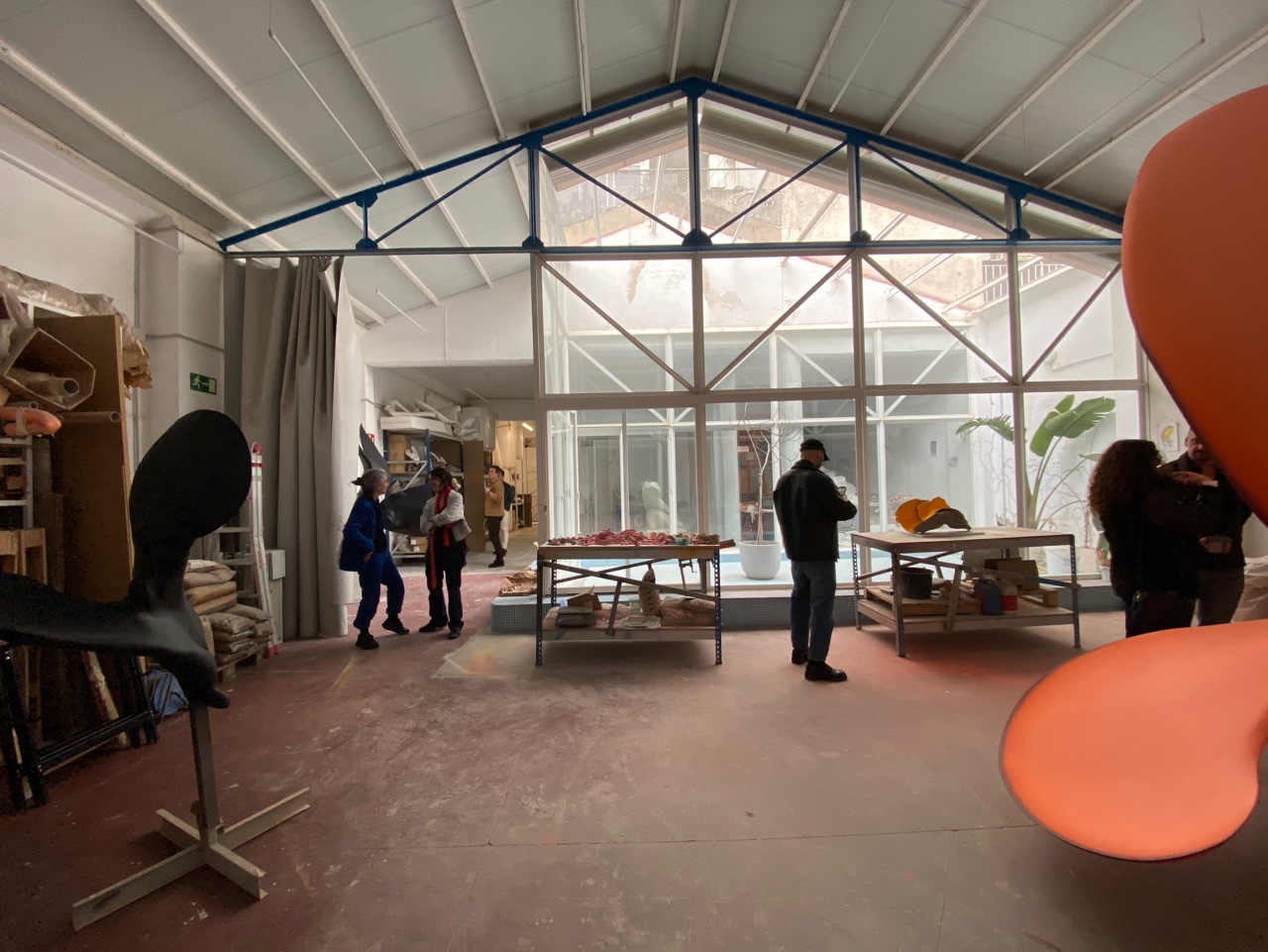
도시 전체가 페어가 된 마드리드
ARCO 기간 마드리드는 그 자체로 하나의 아트위크가 된다. 갤러리 오프닝, 작가 스튜디오 방문, VIP 디너, 네트워킹 행사 등 ARCO 연계 프로그램도 풍성했다. 티센 보르네미사에서는 덴마크 화가 Vilhelm Hammershøi의 첫 스페인 회고전 El ojo que escucha와 Robert Rauschenberg 탄생 100주년 기념전이 열렸고, 레이나 소피아에서는 Juan Uslé 개인전과 Maruja Mallo 대규모 회고전이 진행 중이었다. CAN Art Fair(구 Urvanity) 10주년 행사와 다양한 갤러리 오프닝, 프라이빗 투어, VIP 디너, 작가 스튜디오 방문 등 연계 프로그램이 닷새 내내 이어졌다. 도시 자체가 페어를 단순한 세일즈 플랫폼 이상으로 만드는 힘을 보여주었다.
칼디 인사이트
현장을 거닐며 떠오르는 질문이 있었다. ARCO는 자신의 정체성을 어디에 두고 있을까.
Art Cologne, Artissima, Art Brussels 같은 지역 페어와 경쟁하면서, 동시에 Art Basel·Frieze 같은 메가 페어와도 차별화를 찾아야 하는 위치. ARCO의 답은 명확해 보인다. 라틴아메리카라는 고유의 지리적 연결, 그리고 실험적인 작품도 편하게 내놓을 수 있는 분위기. 이것이 45년을 이어온 이 페어의 정체성이다.
한 가지, 올해도 아쉬움으로 남는 부분이 있다. 아시아 컬렉터와 관계자의 존재감이 거의 없었다. 작년에 이어 올해도 한국을 비롯한 아시아권에서 참여하는 갤러리는 극히 드물고, 아시아 작가도 인터국제적인 메가 갤러리에 소속된 일부를 제외하면 찾기 어려웠다. 유럽-라틴아메리카 연결에는 강하지만, 유럽-아시아 연결은 여전히 부족하다.
앞으로 ARCO가 글로벌 경쟁력을 강화하고 다양한 시장을 끌어들이기 위해서는 아시아 및 글로벌 네트워크 확대가 필요해보인다.
ARCO 2027은 3월 3~7일 다시 찾아온다. 라틴아메리카-유럽 연결, 젊은 갤러리스트들의 활약, 높은 세금 이슈까지—올해의 관전 포인트들이 내년에는 어떤 새로운 장면을 만들지 기대하며.
Sources:https://www.ifema.es/en/arco/press-releases/participating-galleries https://www.ifema.es/en/arco/press-releases/balance-sheet-2026 https://zarastro.art/spanish-galleries-vat-strike/ https://www.bonart.cat/en/n/46232/gallerists-on-a-war-footing-quotcultural-vat-alreadyquot https://www.museothyssen.org/en/exhibitions/hammershoi-eye-listenshttps://www.museoreinasofia.es/en/exhibitions/maruja-mallo -
INSIGHTS I Three Fairs, Three Futures
DOHA, MEXICO CITY, NEW DELHIDOHA, MEXICO CITY, NEW DELHI — FEBRUARY 2026 AND THE NEW COORDINATES OF THE GLOBAL ART MARKET
In February 2026, the center of the global art market moved. Not to London. Not to New York. Not to Hong Kong. For one week, three cities — Doha, Mexico City, and New Delhi — simultaneously commanded the attention of the international art world, each on its own terms, each through an entirely different logic.
Art Basel Qatar (February 5–7). Zona Maco (February 4–8). India Art Fair (February 5–8). These three fairs overlap only on the calendar. The nature of the capital they represent, the motivations of their collectors, and the way their markets actually work are entirely distinct. A state-engineered cultural project. Two decades of organic, rooted regional growth. A domestic demand that no longer needs external validation. That all three became visible in the same week is the real story of February 2026. Not that power is shifting — but that the very idea of a single power center is becoming obsolete.
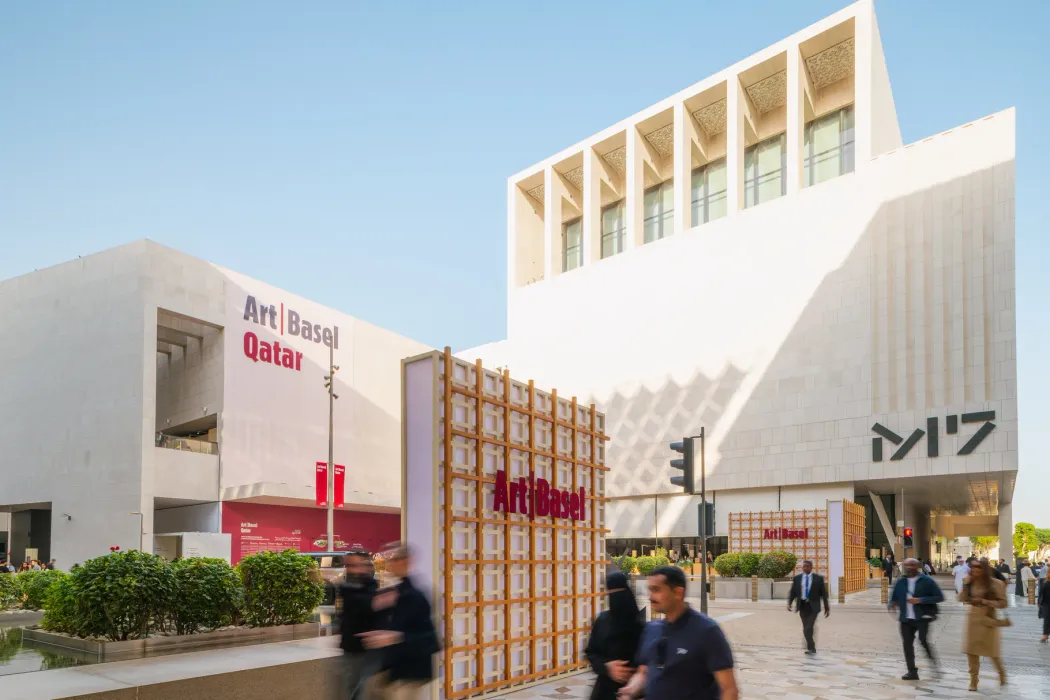
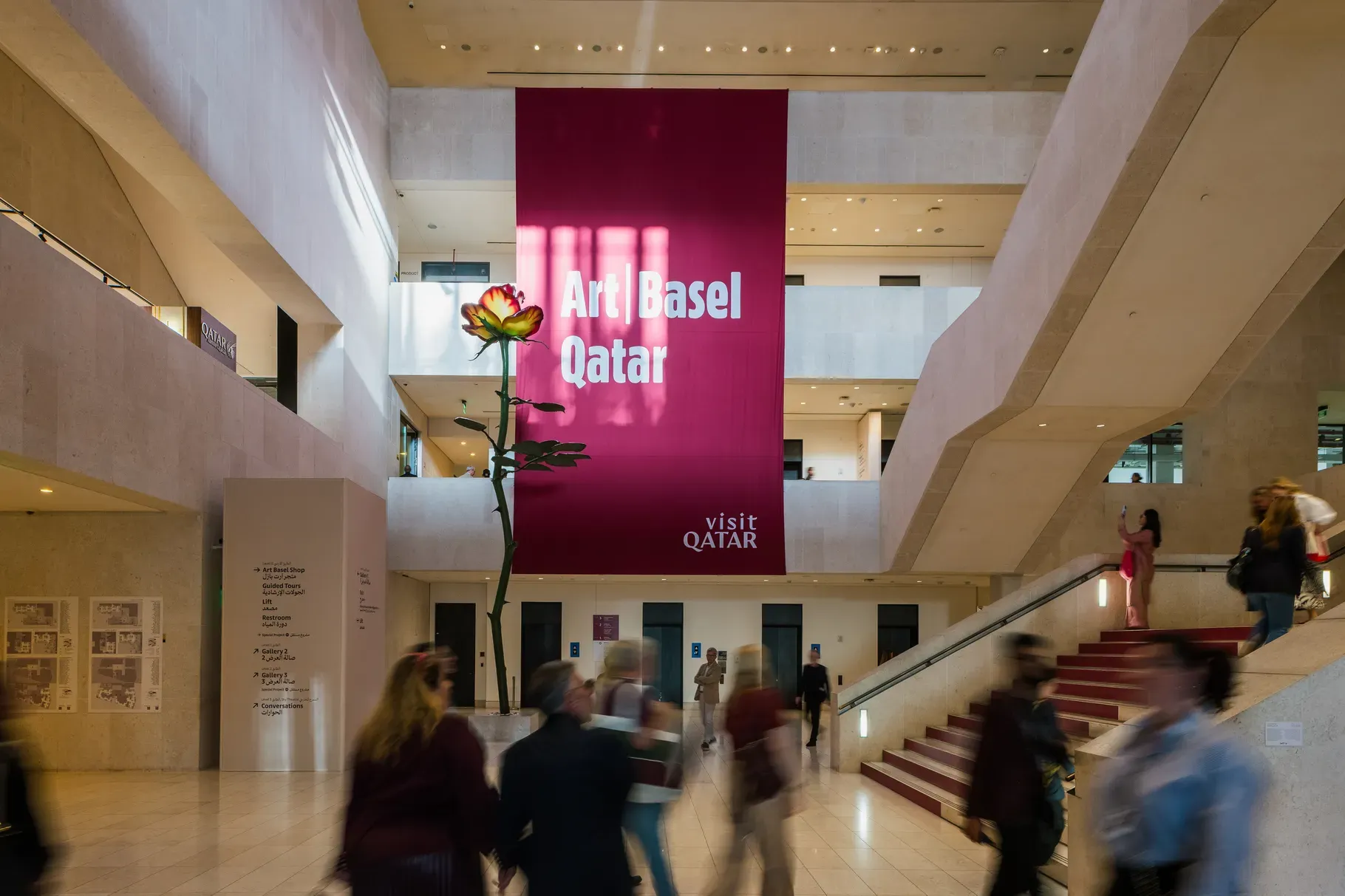
1. Art Basel Qatar: When a Fair Is Also a National ProjectThe first Art Basel in Doha was designed from the outset to operate by different rules. Eighty-seven galleries from 31 countries participated — but there were no booths. Egyptian artist and filmmaker Wael Shawky, serving as artistic director, replaced the traditional fair grid with single-artist solo presentations organized under the curatorial theme Becoming. Spread across M7 and the Doha Design District in Msheireb Downtown Doha, the fair drew more than 17,000 visitors over five days and felt, to most who attended, closer to a museum than a marketplace.
That impression was not accidental. Participation fees were reportedly a fraction of those at other Art Basel editions — in the range of €15,000–25,000 — with Qatar covering significant costs for logistics, shipping, installation, and accommodation. Klaus Biesenbach, director of Berlin's Neue Nationalgalerie, described the format as something from which there is "no going back" to the conventional booth model. The commercial rhythm was different, too. Qatar's royal family conducted a private walkthrough before VIP previews, with Qatar Museums' acquisition team leaving what dealers referred to as "white slips" on works of institutional interest — purchases widely understood to be destined for Art Mill Museum, the country's forthcoming contemporary art institution opening in 2030.
Sales Highlights:
- White Cube: Eight Georg Baselitz bronze hand sculptures at €800,000 (~$951,576) each — the fair's highest reported per-work price.
- David Kordansky Gallery: Multiple Lucy Bull paintings at $375,000–$450,000, including two acquired by prominent Middle Eastern collections.
- Perrotin: Numerous works by Ali Banisadr — paintings above $600,000, sculptures ranging from $45,000 to $120,000.
- Thaddaeus Ropac: Two Raqib Shaw paintings at £225,000 and £375,000 respectively.
- Paula Cooper Gallery: Four Terry Adkins installations at $300,000–$400,000 each.
- Sean Kelly: Multiple works by Hugo McCloud at $85,000–$235,000.
- ATHR Gallery (Saudi Arabia): Eleven works by Ahmed Mater at $45,000–$220,000 — the standout performance among regional galleries.
- Sargent's Daughters: One major institutional acquisition of Aiza Ahmed's work, alongside multiple smaller sales at $3,500–$25,000.
More than half of the participating galleries represented the MENASA region, and 16 — including Hafez Gallery (Jeddah/Riyadh), Gallery Misr (Cairo), Le Violon Bleu (Tunis), Saleh Barakat Gallery (Beirut), and Tabari Artspace (Dubai) — were making their Art Basel debut. That regional density was a deliberate structural choice, not window dressing.
Sales moved slowly. Several major galleries withheld figures while awaiting final royal decisions, and transactions continued to be confirmed through the fair's closing day. Philip Hoffman, CEO of The Fine Art Group, noted that any new fair needs roughly three years to find its footing. Hauser & Wirth co-founder Iwan Wirth was characteristically direct: what matters, he said, is not this year but next.
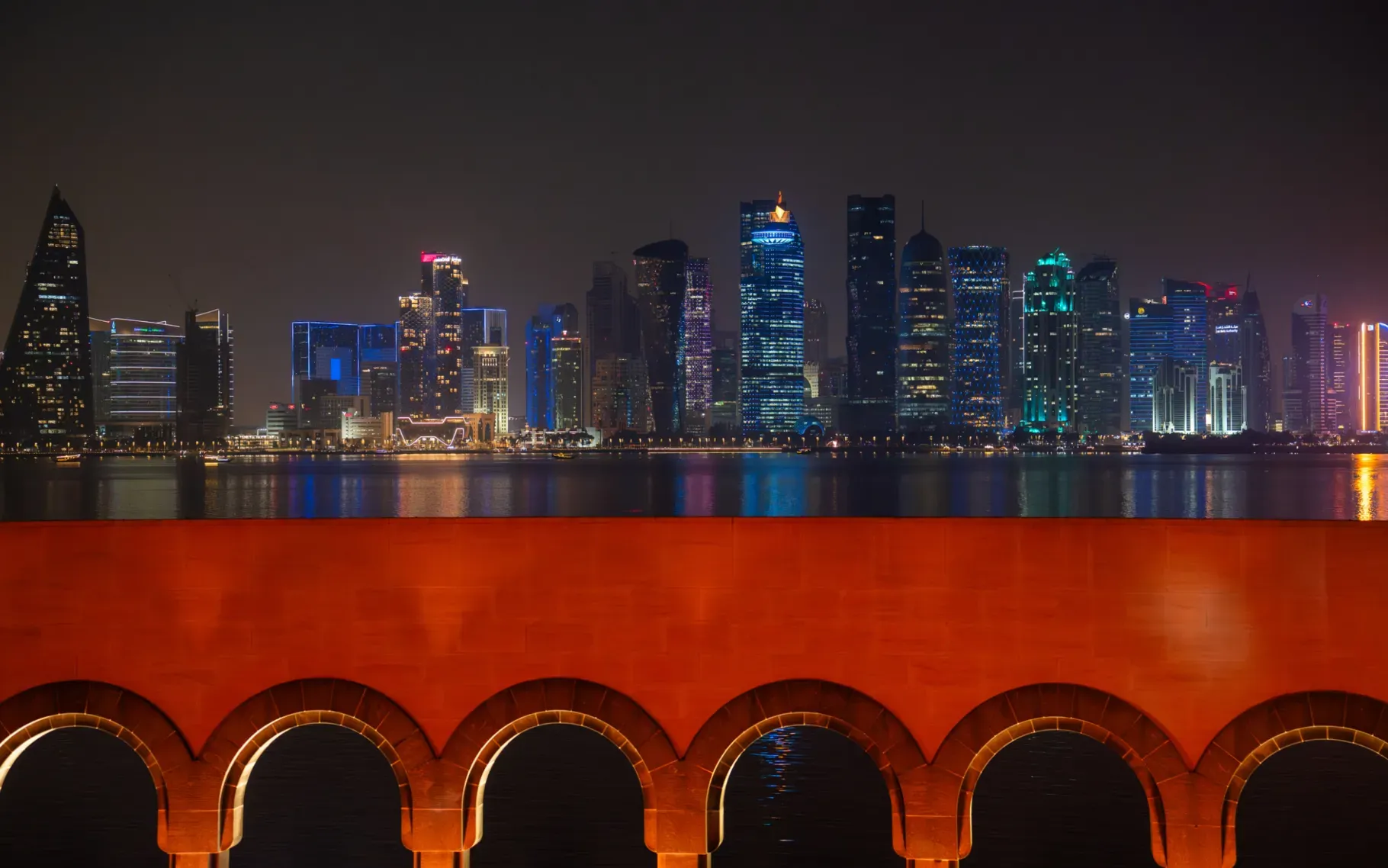
The momentum beyond the fair itself signals that Qatar's cultural ambitions are far from confined to a single week. Days after Art Basel Qatar closed, Qatar Museums announced Rubaiya Qatar — the country's first quadrennial, opening in November 2026 — featuring more than 50 artists including Lawrence Abu Hamdan, Sophia Al Maria, and Mohamed Bourouissa, alongside a dedicated Gerhard Richter pavilion. Its November timing places it in direct competition with the incoming Frieze Abu Dhabi, making visible what is now an open contest for cultural leadership within the Gulf.
The fundamental question Art Basel Qatar leaves open is this: can a state-designed, institutionally subsidized fair cultivate the kind of private collector base that sustains a market on its own? The first edition demonstrated genuine ambition and institutional reach. Whether it can build something organic beneath the royal patronage is a question only the second and third editions will begin to answer.
2. Zona Maco: What Twenty-Two Years Looks LikeThere is a particular quality to the atmosphere at Zona Maco that resists easy description — a sense that the fair does not need to prove anything. In its 22nd edition, as US-Mexico trade tensions escalated and a strong dollar placed pressure across Latin America, the fair drew more than 220 galleries from 26 countries and over 82,000 visitors across five days. External uncertainty did not dent internal conviction.
What distinguishes Zona Maco from other major fairs is not its scale but its rootedness. More than half of participating galleries come from Mexico and Latin America, and what they bring with them is irreducibly specific: the light of Oaxaca, the political memory embedded in Cuban painting, the materiality of Andean textile traditions reworked into contemporary practice. This is not the globally interchangeable language of international contemporary art. These works are priced by the weight of where they come from. Proyectos Monclova director Teófilo Cohen put it plainly: "This fair is different. It is not about the same international galleries bringing the same things every year."
Sales reflected that conviction. Pace Gallery sold nearly its entire solo presentation of large-scale paintings by Kylie Manning during the VIP preview — the anchor triptych going to a seminal Mexican collection. Pace director Simone Shields confirmed: every day-one sale went to a local collection. Galería de Arte Mexicano, participating for 24 consecutive years, reported its busiest opening day on record. Sean Kelly Gallery placed works by Kehinde Wiley and Janaina Tschäpe — priced between $30,000 and $225,000 — with both multigenerational Latin American collector families and European museum groups. These are not the numbers of a market still finding itself. They are the numbers of a market that has already arrived.
The fair's most significant formal development this year was FORMA, a new section that officially dissolved the boundary between fine art and collectible design. Six galleries participated, including Carpenters Workshop Gallery — making its Zona Maco debut — with works by Maarten Baas, Nacho Carbonell, and Wendell Castle that met with near-total collector interest. The success of FORMA was not an accident of curation. It reflects a structural shift in how high-net-worth collectors now think: not as buyers of individual objects, but as curators of total aesthetic environments. A painting, a functional sculpture, a piece of furniture conceived as art — the distinctions are collapsing, and Mexico City is where that collapse is being tested most seriously.
The fair does not stand alone. During Zona Maco week, Mexico City operates as a single, integrated art ecosystem. Material Art Fair recorded its highest-ever opening attendance. Salón Acme, now in its 13th edition, absorbed a new generation of collectors through its deliberately experimental, emerging-artist program. Museo Tamayo and Museo Jumex aligned major exhibition openings with fair week — a long-established convention that signals something important: this city does not host a fair. It contains one.
The broader market data confirms the structural strength. Latin America's online art market surpassed $1 billion in 2024, representing 9.2% of global online art sales. Frida Kahlo's work at Sotheby's reaching $54.7 million and Leonora Carrington commanding $28.5 million are not simply auction records. They are evidence that Latin American art is no longer priced by regional logic alone — it has entered the global system on its own terms.
3. India Art Fair: A Market That No Longer Needs PermissionThe 17th edition of India Art Fair was its largest to date. Held at NSIC Exhibition Grounds in New Delhi, the fair brought together 123 exhibitors (some reports cite 135 following late additions), with more than 85 museums and foundations represented among VIP attendees. Fair director Jaya Asokan described this moment as a genuine inflection point for South Asian art — and the fair itself bore that out.
The defining characteristic of the Indian market is that its growth is endogenous. It is not powered by international capital flowing in from outside. It is powered by a new generation of Indian collectors — tech entrepreneurs, family offices, young professionals — entering the market for the first time, on their own schedule, by their own instinct. Accessible price points were visible throughout the fair, not as a concession but as a deliberate strategic signal: this market is being built from the inside out.
Vadehra Art Gallery achieved high sell-through on opening day across a booth spanning Atul Dodiya, Manjit Bawa, and Sudhir Patwardhan — prices ranging from $6,000 to $600,000 — demonstrating that demand for Indian modern and contemporary masters remains strong at every tier. Art and Charlie, a debut gallery positioned between Nature Morte and Jhaveri Contemporary, sold nearly its entire booth, with five institutional acquisitions, all works priced under $10,000. Experimenter Gallery presented Afrah Shafiq's BMW Art Commission — a large-scale architectural work extending traditional embroidery motifs across a building facade — alongside three accompanying editions at $5,000 per set.
The fair's Focus section gave concentrated space to artists born in the 1990s. Latitude 28 (New Delhi) presented Viraj Khanna (b. 1995) and Yogesh Ramkrishna (b. 1991) with works priced at $900–$2,500 and $1,250–$3,150 respectively — deliberate entry points for collectors who might otherwise hesitate. First-time buyers described a psychological shift: not the intimidating exclusivity of fairs designed for the already-initiated, but a structure that makes collecting feel like a beginning rather than a credential.
One of the edition's more pointed cultural signals was the collaboration with the Korea Cultural Centre India: the exhibition Resonances of Light placed Korean and Indian contemporary practices in direct dialogue. That this partnership carried genuine traction — not merely diplomatic symbolism — reflects a broader realignment of cultural interest in South Asia, where K-content has already established deep roots, and where the art market is beginning to follow.
What makes India Art Fair structurally distinctive is the weight it gives to heritage alongside the contemporary. DAG's booth this year moved from Thomas Daniell's 18th-century Indian landscapes through S.H. Raza's mid-century abstractions to works by living artists — a single room that functioned as a compressed art history. This is a market where the past is not bracketed off from the present, and where a collector can enter through a historic work and arrive at a contemporary one without changing rooms. That continuity is not nostalgia. It is a commercial ecosystem that validates artists across generations simultaneously.
Three Models. One Shift.Placed side by side, these three fairs represent three entirely distinct models of art market formation — and none of them is converging toward the others.
Art Basel Qatar is a fair designed by a state and sustained by institutional capital. Its metrics are not opening-day sell-through rates; they are soft power, long-term collection building, and the positioning of Doha as the cultural hub of the MENASA region. The commercial ecosystem beneath the royal patronage is still forming. That formation will take years, and it may not follow the organic path taken elsewhere. But the institutional infrastructure — Qatar Museums, Art Mill Museum, Rubaiya Qatar — provides a continuity of purpose that does not depend on market momentum alone.
Zona Maco is the result of twenty-two years of organic accumulation. It does not need to make a case for itself. A deep regional collector base, galleries with genuine programmatic identity, and a city that has built its cultural calendar around the fair week — these are not things that can be imported or manufactured on short timescales. They are the compound interest of sustained institutional commitment to a specific place and a specific artistic tradition.
India Art Fair represents something more structurally unusual: a market expanding from the inside. Not driven by institutional mandate, not dependent on international collector flows — but powered by a generation of buyers entering the market on their own terms, at their own pace, without waiting for Western validation. That internal engine is slow to start but difficult to stop.
These three models do not compete. They illuminate different possible trajectories for regional art market development — and they collectively confirm that the global art market is no longer a hierarchy. It is a network of nodes, each governed by its own logic, each building its own canon.
What This Means: KALDI'S PerspectiveThe polycentric shift underway is not a passing trend. It has structural causes — the redistribution of institutional capital away from Western centers, the maturation of collector bases in economies experiencing sustained growth, the deliberate cultural strategies of Gulf states investing in soft power — and structural consequences.
At every one of these three fairs, the strongest sales went to artists with authentic, specific connections to their region. International blue-chip names provided brand credibility, but the transactions that defined each fair's character were driven by works with locational weight: Ahmed Mater's photographic meditation on the transforming landscape of Saudi Arabia; a Latin American painter whose formal decisions are inseparable from the materials and light of her geography; an Indian modernist whose work can only fully be read against the history of the subcontinent. Collectors are no longer asking only where was this made. They are asking what history does this carry, and they are finding the most compelling answers outside the Western centers that have dominated the market for a century.
Institutional validation is also redistributing. Qatar Museums, India's Kiran Nadar Museum of Art (KNMA), and Museo Jumex in Mexico City are increasingly performing the price-support and canon-formation functions that were once the exclusive province of Western museums and major auction houses. The artists these institutions acquire and exhibit will define the benchmarks for their regional markets over the next decade.
Geographic diversification is no longer a hedge. It is the baseline. But diversification without intelligence is noise. The sharper question — the one that separates strategic collecting from geographic opportunism — is this: which institutions in each region are writing the next chapter of the local canon, and which artists have they chosen? In Doha, watch what Qatar Museums acquires for Art Mill. In New Delhi, track what KNMA collects and what Experimenter and Nature Morte put forward as their long-term programs. In Mexico City, follow what Museo Jumex and Museo Tamayo validate through exhibition. These institutional choices are the leading indicators of where the market will move. What you buy should follow that signal — not the noise of a heated opening day, and not the comfort of a name already priced into the Western market.
The art world's center is not moving from one city to another. It is ceasing to have a single center at all. February 2026 did not mark a transfer of power. It marked the moment when it became impossible to pretend that power was ever as concentrated as we assumed.
KOREAN I
Three Fairs. Three Futures.
도하, 멕시코시티, 뉴델리 — 2026년 2월, 미술시장의새로운좌표
2026년 2월, 글로벌 미술 시장의 중심은 잠시 이동했다. 런던도 뉴욕도 홍콩도 아닌 곳에서. 도하, 멕시코시티, 뉴델리 — 이 세 도시가 거의 같은 날 같은 주에 각자의 방식으로 세계 미술계의 시선을 끌어당겼다.
Art Basel Qatar(2월 5~7일), Zona Maco(2월 4~8일), India Art Fair(2월 5~8일). 세 페어는 달력 위에서만 겹친다. 각각이 대표하는 자본의 성격, 컬렉터의 동기, 시장이 작동하는 방식은 완전히 다르다. 국가가 설계한 문화 프로젝트, 20년이 쌓아온 지역의 자력, 내부에서 팽창하는 신흥 수요. 이 세 가지가 동시에 가시화됐다는 것이 2026년 2월이 미술 시장에 남긴 진짜 의미다. 패권이 이동하는 것이 아니라, 패권의 개념 자체가 흔들리고 있다.
1. Art Basel Qatar: 국가 프로젝트로서의 아트페어
도하에서의 첫 번째 Art Basel은 처음부터 일반적인 상업 페어와는 다른 문법으로 설계되었다. 31개국 87개 갤러리가 참여했지만, 전통적인 부스 구조는 없었다. 이집트 출신 아티스트 Wael Shawky가 예술감독을 맡아 "Becoming"이라는 테마 아래 모든 참여 갤러리가 단일 작가만 선보이는 솔로 프레젠테이션 형식을 채택했다. M7과 도하 디자인 디스트릭트에 걸쳐 펼쳐진 이 전시는 미술관 수준의 집중도를 구현했고, 5일간 총 1만 7천 명 이상이 방문했다.
참가비는 타 Art Basel 에디션 대비 현저히 낮았고, 물류·배송·설치 비용의 상당 부분을 카타르 측이 지원했다. 베를린 신국립갤러리(Neue Nationalgalerie) 관장 Klaus Biesenbach는 이 형식을 두고 "기존 부스 모델로는 돌아갈 수 없다"고 평했다. 판매 방식도 달랐다. 카타르 왕실은 VIP 프리뷰 개막 전 사전 관람을 통해 작품 우선 구매권을 행사했으며, 카타르 박물관청(Qatar Museums)의 컬렉션 담당자가 관심 작품에 흰 쪽지(White Slip)를 남기는 방식으로 기관 구매 의사를 표시했다. 공식 발표된 기관 구매 목록은 없으나, 이 작품들 다수는 2030년 개관 예정인 아트 밀 미술관(Art Mill Museum) 소장품으로 이어질 것으로 알려졌다.
공개된 주요 판매 사례:
- White Cube: Georg Baselitz의 청동 손 조각 8점, 점당 €800,000 (~$951,576). 페어 최고가 판매로 보고됨.
- David Kordansky Gallery: Lucy Bull 회화 다수. 점당 $375,000~$450,000. 중동 주요 컬렉션 2점 포함.
- Perrotin: Ali Banisadr 작품 다수. 회화 $600,000 이상, 조각 $45,000~$120,000.
- Thaddaeus Ropac: Raqib Shaw 회화 2점. 각 £225,000, £375,000.
- Paula Cooper Gallery: Terry Adkins 설치 4점. 점당 $300,000~$400,000.
- Sean Kelly: Hugo McCloud 작품 다수. $85,000~$235,000.
- ATHR Gallery (사우디아라비아): Ahmed Mater 작품 11점. $45,000~$220,000. 사우디아라비아 기반 갤러리의 가장 두드러진 지역 성과.
- Sargent's Daughters: Aiza Ahmed 최대 규모 작품 1점 기관 구매, 소·중형 다수. $3,500~$25,000.
참여 갤러리의 절반 이상이 중동, 북아프리카, 남아시아(MENASA) 지역 출신이었으며, 사우디의 Hafez Gallery, 이집트의 Gallery Misr, 튀니지의 Le Violon Bleu, 레바논의 Saleh Barakat Gallery, 두바이의 Tabari Artspace 등 16개 갤러리가 Art Basel에 처음 참가했다는 점도 주목할 만하다.
판매 속도는 느렸다. 일부 메가 갤러리는 왕실의 최종 결정을 기다리느라 오프닝 날 실제 판매 수치를 공개하지 않았고, 거래는 페어 마지막까지 조금씩 확정되는 방식으로 진행됐다. The Fine Art Group의 CEO Philip Hoffman은 "어느 페어든 자리를 잡으려면 3년이 필요하다"고 말했다. Hauser & Wirth의 공동 설립자 Iwan Wirth 역시 "올해가 아니라 내년이 중요하다"고 직설했다.
페어이후카타르의문화드라이브는 계속된다.
Qatar Museums는 Art Basel Qatar 폐막 직후, 첫 쿼드리엔날레 Rubaiya Qatar를 발표했다. 2026년 11월 개막하는 이 행사에는 Lawrence Abu Hamdan, Sophia Al Maria, Mohamed Bourouissa 등 50명 이상의 작가가 참여하며, Gerhard Richter 전용 파빌리온 설치도 예정되어 있다. 같은 달 출범하는 Frieze Abu Dhabi와 직접 경쟁 구도를 형성하게 되면서, 걸프 지역 내부의 문화 패권 경쟁이 가시화되고 있다.
Art Basel Qatar가 던지는 본질적 질문은 이것이다: 국가가 설계하고 자본이 뒷받침하는 페어가, 과연 유기적 민간 컬렉터 시장을 만들어낼 수 있는가? 첫 에디션은 가능성을 보여줬지만, 답은 아직 열려 있다.
2. Zona Maco: 아무도 흔들지 못한것들
멕시코시티에서 22회째를 맞이한 Zona Maco에는 처음부터 다른 공기가 흐른다. 미국과 멕시코 사이의 무역 갈등이 고조되고, 달러 강세가 라틴아메리카 전반을 압박하던 바로 그 시점에, 이 페어는 26개국 220개 이상의 갤러리와 5일간 82,000명 이상의 관람객을 끌어모았다. 외부의 불확실성이 내부의 확신을 이기지 못했다.
Zona Maco를 다른 메이저 페어와 구별 짓는 것은 규모가 아니라 뿌리다. 참여 갤러리의 절반 이상이 멕시코와 라틴아메리카 출신이며, 흙·섬유·정치적 기억이 작품 안에 살아있다. 이곳에서 팔리는 것은 국제 시장이 요구하는 동시대 미술의 범용 언어가 아니다. 오아하카의 빛, 쿠바의 긴장감, 칠레의 신체 — 각자의 장소성이 작품의 가격을 만든다. Proyectos Monclova의 디렉터 Teófilo Cohen은 "이 페어는 다르다. 매년 같은 국제 갤러리들이 같은 것을 가져오는 방식이 아니다"라고 말했다.
판매는 확신에 차 있었다. Pace Gallery는 Kylie Manning의 대형 추상화 부스를 VIP 프리뷰 당일 거의 매진시켰다. 핵심 트립틱은 멕시코의 저명한 컬렉션으로 들어갔다. Pace 디렉터 Simone Shields는 "당일 판매 전부가 로컬 컬렉션이었다"고 확인했다. 페어에 24년 연속 참가한 Galería de Arte Mexicano는 역대 가장 바쁜 개막일이었다고 밝혔다. Sean Kelly Gallery는 Kehinde Wiley와 Janaina Tschäpe 작품을 멕시코 다세대 컬렉터 패밀리와 유럽 미술관 그룹 양쪽에 판매했다. 가격대는 $30,000에서 $225,000 사이였다.
이번 에디션에서 가장 주목할 새 움직임은 FORMA 섹션이었다. 순수 미술과 콜렉터블 디자인의 경계를 공식적으로 허문 이 신설 섹션에는 Carpenters Workshop Gallery, ADN Galería 등 6개 갤러리가 참여했다. Carpenters Workshop이 선보인 Maarten Baas, Nacho Carbonell, Wendell Castle의 기능적 조각물들은 완판에 가까운 반응을 얻었다. 컬렉터들이 "그림 한 점"이 아닌 공간 전체를 큐레이팅하는 방식으로 수집의 기준을 바꾸고 있음을 이 섹션은 설득력 있게 보여줬다.
페어 주간에 멕시코시티 전체가 하나의 생태계로 작동한다는 사실도 Zona Maco만의 자산이다. Material Art Fair는 올해 사상 최대 개막 인파를 기록했고, Salón Acme는 13회째 에디션에서 신진 작가 중심의 실험적 프로그램으로 새로운 컬렉터층을 흡수했다. Museo Tamayo, Museo Jumex를 비롯한 주요 미술관들이 페어 기간에 맞춰 신규 전시를 개막하는 것은 이미 오랜 관행이다. 이 도시는 페어를 여는 것이 아니라, 페어를 품고 있다.
수치도 이 시장의 체력을 증명한다. 라틴아메리카 온라인 아트 시장은 2024년 10억 달러를 넘어 글로벌 점유율 9.2%에 도달했다. Sotheby's에서 Frida Kahlo의 작품이 $54.7백만에 낙찰되고 Leonora Carrington이 $28.5백만을 기록한 것은 단순한 경매 이벤트가 아니다. 라틴아메리카 미술이 더 이상 지역 시장의 논리 안에서만 가격이 매겨지지 않는다는 신호다.
3. India Art Fair: 내부로부터 성장하는 시장
뉴델리의 NSIC 전시장에서 열린 제17회 India Art Fair는 역대 최대 규모로 치러졌다. 94개 갤러리를 포함해 총 123개(일부 보도에서는 135개로 집계) 전시자가 참가했으며, 85개 이상의 미술관과 재단 관계자들이 VIP로 참석했다. 페어 디렉터 Jaya Asokan은 이번 에디션을 "남아시아 미술에 있어 새로운 가능성의 시대"가 열리는 전환점으로 규정했다.
인도 시장의 가장 두드러진 특성은 내수중심의자생적성장이다. 국제 컬렉터의 투자 유입에 의존하기보다, 인도 내부의 신세대 컬렉터층이 시장을 이끌고 있다. 신기술 기반 창업자, 가족 오피스, 젊은 전문직 종사자들이 처음 미술 구매에 나서고 있으며, 이 층위를 겨냥한 접근성 가격 전략이 페어 전반에서 뚜렷했다.
Vadehra Art Gallery는 Atul Dodiya, Manjit Bawa, Sudhir Patwardhan 등 인도 근현대 거장들로 구성된 부스에서 $6,000~$600,000의 가격대에 걸쳐 개막 첫날 높은 판매율을 기록했다. Art and Charlie(데뷔 참가)는 거의 전 부스를 매진시켰으며 5점이 기관에 소장되었다. 모든 작품이 $10,000 이하 가격대로 책정된 점이 눈에 띄었다. Experimenter Gallery는 Afrah Shafiq의 BMW 아트 커미션 작품(전통 자수 모티프를 대형 파사드로 확장한 작품)을 선보였으며, 관련 에디션 3점이 세트당 $5,000에 제공되었다.
한편 Focus 섹션은 1990년대생 신진 작가들에게 집중 조명을 제공했다. Latitude 28(뉴델리)이 소개한 Viraj Khanna(1995년생)와 Yogesh Ramkrishna(1991년생)의 작품은 각각 $900~$2,500, $1,250~$3,150 가격대로 책정되어 젊은 컬렉터들의 시장 진입을 가능하게 했다.
국제 연대 측면에서는 한국문화원(KCC)과의 공동 전시 **"빛의 공명(Resonances of Light)"**이 주목을 받았다. 인도 내 K-콘텐츠에 대한 높은 관심이 미술 영역으로도 확장되고 있음을 보여준 사례로, 문화 외교가 실질적 미술 시장 교류로 이어지는 흐름의 하나다.
인도 시장의 독특한 강점은 전통과현대의병치에 있다. DAG의 부스는 18세기 영국 화가 Thomas Daniell의 인도 풍경화부터 S.H. Raza의 20세기 추상까지를 한 공간에 배치하며, 이 시장이 단순히 현대미술 거래에 그치지 않고 문화사와 연결된 심층 컬렉팅으로 진화하고 있음을 보여줬다.
세 페어가 가리키는 방향
이 세 페어를 함께 놓고 보면, 각각이 뚜렷이 다른 시장 구축 모델을 대표한다는 사실이 분명해진다.
Art Basel Qatar는 국가가 설계한 페어다. 자본과 문화 정책이 시장 조성을 주도하며, 단기 판매보다 장기적 기관 수집과 소프트파워 확장을 목표로 한다. 상업적 자생력이 형성되기까지 시간이 필요하지만, 카타르 왕실의 의지와 Qatar Museums의 인프라는 이 프로젝트에 강력한 지속 동인을 제공한다.
Zona Maco는 20년 이상의 유기적 성장이 축적된 결과다. 지역 컬렉터 기반이 단단하고, 지역 갤러리의 자체 경쟁력이 높으며, 멕시코시티 전체의 문화 생태계가 페어를 중심으로 작동한다. 글로벌 경기 변동에 상대적으로 덜 흔들리는 안정성의 원천이 바로 이 지역 밀착성이다.
India Art Fair는 내부에서 팽창하는 시장의 에너지를 보여준다. 해외 수요가 아닌 국내 신흥 컬렉터층이 시장을 이끌고, 접근 가능한 가격대가 새로운 수요층을 끌어들이며, 전통미술과 현대미술이 동일한 생태계 안에서 공존한다. 이 구조는 외부 충격에 비교적 강하고 장기적 성장 가능성이 높다.
세 모델 중 어떤 것도 우열을 가릴 수 없다. 중요한 것은 이들이 서로 다른 경로로, 서로 다른 속도로, 각자의 조건 안에서 성장하고 있다는 사실이다. 그리고 그 성장이 전통적 미술 시장 권력 중심부인 뉴욕, 런던, 바젤, 홍콩의 외부에서 일어나고 있다는 것이다.
미래전망: 다극화는 이미 시작되었다
이 세 페어의 동시 개최가 시사하는 바는 단순한 "신흥 시장의 부상"이 아니다. 그보다 더 구조적인 변화다. 글로벌 미술 시장은 단일 중심에서 복수의자율적노드로 재편되고 있으며, 각 노드는 자체적인 컬렉터 기반, 가격 형성 논리, 제도적 맥락을 갖춰가고 있다.
이 흐름에서 주목해야 할 몇 가지 지표가 있다.
지역작가의시장지위상승. 세 페어 모두에서 해당 지역 출신 혹은 지역 서사를 담은 작가들이 가장 활발한 거래를 이끌었다. 국제 블루칩이 브랜드 가치를 제공하는 동안, 실질적 구매는 지역 맥락이 강한 작품들로 향했다. 이는 글로벌 컬렉터들이 '어디서 만들어졌는가'보다 '어떤 맥락을 담고 있는가'를 중시하는 방향으로 이동하고 있음을 나타낸다.
기관구매의시장지지대역할. 카타르 박물관청, 인도의 KNMA(Kiran Nadar Museum of Art) 등 비서구권 기관들이 중요 작품의 가격 방어선을 형성하고 있다. 전통적으로 서구 미술관과 컬렉션이 수행하던 역할이 분산되고 있는 것이다.
페어포맷자체의실험. Art Basel Qatar의 부스 없는 솔로 프레젠테이션, Zona Maco의 아트-디자인 통합 섹션 FORMA, India Art Fair의 전통-현대 병치 구조는 각각 다른 방식으로 기존 페어 문법을 갱신하고 있다. 컬렉터들이 '스펙터클한 부스'가 아닌 '큐레이션된 경험'을 원하게 되면서, 페어의 형식 자체가 경쟁 변수가 되었다.
캘린더경쟁의심화. Art Basel Qatar(2월), Art Dubai(4월), Frieze Abu Dhabi(11월), Rubaiya Qatar(11월)가 연달아 이어지는 걸프 지역의 일정은 갤러리와 컬렉터 모두에게 선택을 요구한다. 이는 곧 각 페어의 고유한 가치 제안이 더 명확해져야 한다는 압력으로 작용한다.
미술 시장에서 "중심과 주변"의 구분은 점점 의미를 잃어가고 있다. 2026년 2월의 이 동시적 사건들이 보여주는 것은 시장의 패권이 이동하고 있다는 것이 아니라, 패권 자체가 분산되고 있다는 것이다. 도하의 제도적 야망, 멕시코시티의 자생적 에너지, 뉴델리의 내부 성장 동력 — 이 세 벡터는 서로 경쟁하지 않는다. 각자의 방식으로, 각자의 속도로, 글로벌 미술 생태계의 새로운 좌표를 만들어가고 있다.
이 변화는 하나의 명확한 함의를 갖는다. 단일 시장이나 단일 스타일에 집중된 컬렉션은 지금의 전환기에 취약하다. 지리적 다각화는 이제 리스크 분산 전략이 아니라, 시장 자체가 요구하는 기본값이 되었다. 그리고 그 다각화의 방향은 단순히 "어디에 작품이 있는가"가 아니라 "어떤 기관이 그 지역의 이야기를 쓰고 있는가"를 보는 것이어야 한다. 도하라면 Qatar Museums, 뉴델리라면 KNMA, 멕시코시티라면 Museo Jumex — 이 기관들이 소장하거나 주목하는 작가가 향후 10년 그 시장의 기준점이 된다. 지금 사야 할 것은 글로벌 블루칩의 복사본이 아니라, 각 지역에서 기관이 선택한 이름들이다.
Sources
- ARTnews: "Art Basel Qatar 2026 Sales Report" (Feb. 9, 2026)
- Artnet News: "Sales Roundup: Art Basel Qatar" / "Art Basel Qatar Opens With Big Ambitions" (Feb. 2026)
- Artnet News: "To Understand the Gulf's Growing Art Market, Leave Old Assumptions Behind" (Jan. 29, 2026)
- Artlyst: "Art Basel Qatar: What Sold and What the Dealers Had to Say" (Feb. 2026)
- The Art Newspaper: "Mexico City's Zona Maco Fair Continues to Draw Upbeat Crowds and Eager Buyers" (Feb. 6, 2026)
- The Art Newspaper: "Zona Maco Finds a 'Balance Between Continuity and Renewal'" (Feb. 2, 2026)
- The Art Newspaper: "India Art Fair Strengthens Its Role as Launchpad for South Asian Talent" (Feb. 4, 2026)
- Artsy: "Georg Baselitz Works Lead Reported Sales at Art Basel Qatar 2026" (Feb. 2026)
- Artsy: "3 Key Takeaways from Art Basel Qatar's Debut" (Feb. 2026)
- Artsy: "India Art Fair Announces Exhibitors for Its Largest Edition Yet" (Oct. 2025)
- Monocle: "Zona Maco: The Art Fair Where Latin American Artists Take Centre Stage" (Feb. 13, 2026)
- Surface Magazine: "Insight from a Milestone Zona Maco 2026" (Feb. 2026)
- Il Sole 24 Ore: "India Art Fair 2026: Sales, New Galleries and the Rise of South Asia" (Feb. 2026)
- ArtAsiaPacific: "Slow and Purposeful: Art Basel Qatar 2026" (Feb. 2026)
- ArtAsiaPacific: "Durability in the Global Circuit: India Art Fair 2026" (Feb. 2026)
-
 @viennacontemporary
INSIGHTS I Global Art Fairs Enter a Structural Reset
Signals from Spark, Viennacontemporary, ADAA, and Taipei DangdaiAs 2026 unfolds, Vienna’s two major art fairs have taken divergent paths off the stage.
Viennacontemporary has effectively declared its termination, while Spark Art Fair Vienna has canceled its 2026 edition, opting for what organizers call a “strategic pause (strategische Pause).”
Superficially, this may appear as a local crisis, yet these developments are emblematic of a broader structural reset reverberating across the global art fair ecosystem. This is not simply a market slowdown; it reflects a sober recognition that traditional fair models are no longer sustainable in their established forms.Spark Art Fair: Strategic Pause
Since its launch in 2021, Spark has rapidly emerged as a core platform for contemporary art in Vienna.
The 2025 edition drew over 22,000 visitors, demonstrating robust outward growth. Yet organizers have announced a full pause for 2026, with the aim of relaunching in 2027 following a comprehensive redesign.
Crucially, the language chosen—“strategic pause”—signals more than a delay or downsizing. It represents a deliberate redefinition of the fair’s identity and format. Organizers have indicated that a broad consultation process will involve political and administrative authorities, galleries, artists, collectors, and cultural and economic stakeholders, with the goal of repositioning Vienna as a hub for international art fairs. Spark’s pause is thus less a retreat than a strategic reset for the next evolutionary stage.Viennacontemporary: Structural Termination
Where Spark has chosen reconfiguration, Viennacontemporary has confronted structural unsustainability.
VC Artfairs GmbH faced cumulative losses in the millions of euros, rental debts to Messe Wien, declining sponsorship and public funding, rising operational costs, and decreasing visitor and transaction efficiency. Media reports indicate that under current economic conditions, the fair’s existing format could not be maintained, rendering the 2026 edition effectively untenable. This case symbolically underscores that mid-sized international fairs can no longer survive on scale alone.Beyond Vienna: A Global Trend of “Pacing” the Fair Calendar
Vienna’s developments are not an isolated exception but part of a worldwide recalibration.
ADAA’s Art Show in New York announced a one-year hiatus to “reimagine” its fair, while Taipei Dangdai also signaled a temporary pause following its 2025 edition.
These decisions reflect structural skepticism about fair ROI rather than mere economic slowdown.The Fallacy of “More Fairs = Market Growth”
Everyone recognizes the oversaturation of the fair calendar as a problem.
Audience attention is fragmented, gallery cost structures are rising sharply, and collectors’ time and capital are being allocated more selectively. Regional fairs, in particular, face triple pressures: competition from major international fairs, rising costs for transport, booths, and staffing, and declining visitor conversion rates. Yet the system continues to spin, largely driven by inertia.Aligning with Market Realities: Translating “Values-Based Realism”
At the 2026 World Economic Forum in Davos, Finnish President Alexander Stubb highlighted the principle of “values-based realism.”
This approach—acknowledging real-world constraints while maintaining core values—resonates with contemporary art fairs. Today’s fairs cannot rely on recreating past booms; they must recalibrate around sustainable scale, clear positioning, and tangible transaction efficiency.Conclusion: Not a Short-Term Crisis, but a Structural Realignment
The cases of Spark, Viennacontemporary, ADAA, and Taipei Dangdai signal more than isolated incidents—they reveal a chain of structural shifts across the global art fair system.
This is not the demise of the art market but a strategic reordering following a period of over-expansion.
Art fairs can no longer exist simply to fill calendar slots; they must prove themselves as meaningful platforms for markets, collectors, artists, and institutions alike. Future competitiveness will hinge not on frequency, but on the clarity and significance of their raison d’être.
I KOREAN I
글로벌 아트페어 구조 재편과 전략적 리셋
비엔나에서 포착된 신호, 그러나 문제는 지역적이지 않다
2026년을 맞이하며 비엔나의 두 주요 아트페어가 상반된 방식으로 무대를 떠났다.
Viennacontemporary는 사실상 종료를 선언했고, Spark Art Fair Vienna는 2026년 에디션을 취소하며 ‘전략적 휴식(strategische Pause)’을 선택했다.표면적으로는 지역적 위기처럼 비치지만, 이 움직임은 글로벌 아트페어 시스템 전반에서 발생하고 있는 구조적 리셋의 일부에 가깝다. 이는 단순한 경기 침체가 아니라, 기존 전통적 페어 모델이 현재 환경에서는 지속 가능하지 않다는 현실적 판단의 결과로 읽힌다.
SPARK ART FAIR VIENNA: ‘취소’가 아닌 ‘재정비’
Spark는 2021년 출범 이후 빠르게 비엔나의 핵심 현대미술 플랫폼으로 성장해 왔다.
2025년 에디션은 2만 2천 명 이상의 관람객을 기록하며 외형적 성장세를 입증했지만, 주최 측은 2026년 행사를 전면 중단하고 2027년 재출범을 목표로 재정비에 들어간다고 발표했다.Spark가 선택한 언어는 “연기”나 “축소”가 아니라 “전략적 보류”였다. 이는 단기적 비용 절감이 아니라, 페어의 정체성과 포맷 자체를 재정의하려는 선택에 가깝다. 주최 측은 정치·행정 기관, 갤러리, 작가, 컬렉터, 문화·경제계 전반과의 광범위한 협의 프로세스를 예고하며, 비엔나를 국제적 아트페어 허브로 재구상하겠다는 목표를 제시했다. 즉, Spark의 휴식은 후퇴라기보다 “다음 단계로 이동하기 위한 리셋으로 포지셔닝되고 있다.
VIENNACONTEMPORARY:재정적·운영적 제약으로 인한 구조적 종료
Spark가 재설계를 택했다면, Viennacontemporary는 구조적 지속 불가능성에 직면했다.
VC Artfairs GmbH는 수백만 유로 규모의 누적 손실, Messe Wien에 대한 임대료 채무, 스폰서 및 공적 지원 감소, 운영 비용 상승과 관람·거래 효율 저하라는 복합적 압박을 받아왔다. 언론 보도에 따르면, 이 페어는 현 경제적 조건 하에서 기존 포맷으로는 유지가 불가능하다는 판단에 도달했으며, 이는 단순한 중단이 아니라 사실상 기존 모델의 종결로 받아들여지고 있다. 이 사례는 중형급 국제 페어가 더 이상 규모 유지만으로 생존할 수 없다는 점을 상징적으로 보여준다.
비엔나만의 문제가 아니다: 글로벌 페어 ‘속도 조절’의 확산
비엔나의 변화는 국지적 예외가 아니라, 전 세계적 재조정 흐름의 일부다.
ADAA’s Art Show (뉴욕)는 뉴욕 페어를 재구상한다는 명분으로 1년간의 휴식을 선언했었고, Taipei Dangdai 역시 2025년 에디션을 끝으로 잠정적 휴식을 발표했다.
이는 단순한 경기 둔화를 넘어, 페어 투자 대비 수익(ROI)에 대한 구조적 회의를 반영한다.‘페어 수 증가 = 시장 확장’이라는 공식은 더 이상 성립하지 않는다.
모두가 페어 캘린더의 과밀화를 문제로 인식하고 있다.
관심은 분산되고, 갤러리의 비용 구조는 가파르게 상승하며, 컬렉터의 시간과 자본은 더 선택적으로 배치된다. 특히 지역 페어는 국제 대형 페어와의 경쟁, 운송·부스·인력 비용 상승, 관람객 전환율 감소라는 삼중 부담을 겪고 있다. 그럼에도 불구하고, 시스템은 여전히 관성적으로 회전한다.
시장 현실과의 조율: ‘가치 기반 현실주의’의 문화적 번역
2026년 다보스 세계경제포럼(WEF)에서 핀란드 대통령 Alexander Stubb가 언급한
“가치 기반 현실주의(values-based realism)”는 현재 미술시장에도 유효한 프레임으로 작동한다.
이 개념은 이상적 비전이나 과거의 성공 모델에 집착하기보다, 현실적 제약을 인정하면서도 핵심 가치를 유지하는 전략적 태도를 의미한다.
오늘날 아트페어가 직면한 과제 역시 유사하다. 과거의 호황을 재현하려 하기보다, 지속 가능한 규모, 명확한 포지셔닝, 실질적 거래 효율을 중심으로 모델을 재구성해야 하는 단계에 접어들었다.
결론: 단기 위기가 아닌, 글로벌 아트페어 시스템의 구조적 재편 시작
Spark, Viennacontemporary, ADAA, Taipei Dangdai의 사례는 개별 사건이 아니라, 글로벌 아트페어 시스템의 구조적 전환을 보여주는 연쇄적 신호다. 이는 미술시장의 종말이 아니라, 과잉 확장 국면 이후의 전략적 ‘재정렬(reordering)’ 단계에 가깝다.
아트페어는 더 이상 캘린더를 채우는 이벤트가 아니라, 시장, 컬렉터, 작가, 기관 모두에게 ‘의미 있는 플랫폼’임을 증명해야 한다. 앞으로의 경쟁력은 “얼마나 자주 개최하는가”가 아니라 “얼마나 명확한 이유로 존재하는가”에 의해 결정될 것이다.
Link:
https://kurier.at/kultur/kunstmarkt-krise-auch-wiens-messe-spark-sagt-fuer-2026-ab/403122674
-

-
ART REVIEW I Group Exhibition – WAKING VISIONS
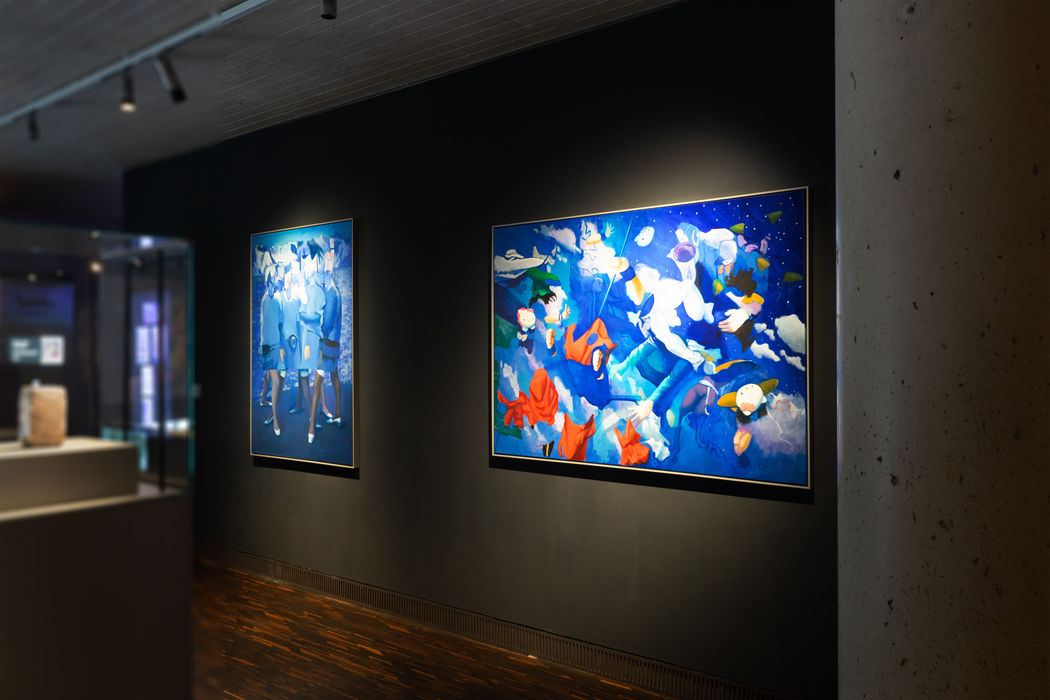
▸ ART REVIEWS'Waking Visions - Young Women Artists and Surrealism', a groundbreaking exhibition that delves into the imaginative worlds of contemporary female artists who are redefining Surrealism for the 21st century. This exhibition will be held from February 5th to March 16th, 2025, in the museum’s contemporary art space, a venue dedicated to supporting and nurturing living artists.
Surrealism: A Century of Dreamscapes and Revolution
2024 marked the centenary of Surrealism, a revolutionary movement that emerged in the aftermath of World War I, when artists and writers sought to explore the subconscious and the power of dreams as a means of transcending the harsh realities of their time. With the publication of André Breton’s first Surrealist Manifesto in 1924, the movement rapidly gained traction, attracting a diverse group of artists including Salvador Dalí, René Magritte, Max Ernst, and women pioneers like Leonora Carrington and Dorothea Tanning.
Surrealism’s emphasis on the irrational and the dreamlike opened new avenues for artistic exploration, challenging traditional norms and embracing the unpredictable. The movement's influence extended beyond visual arts, permeating literature, film, and theatre. Its enduring legacy is evident today as artists continue to draw inspiration from its techniques and philosophies.
As Germany prepares to celebrate Surrealism with major exhibitions in 2025, the Samurai Museum Berlin’s Waking Visions seeks to highlight the often-overlooked contributions of female Surrealists, both past and present. This exhibition underscores the ongoing relevance of Surrealism as a means of exploring identity, society, and the subconscious.
-
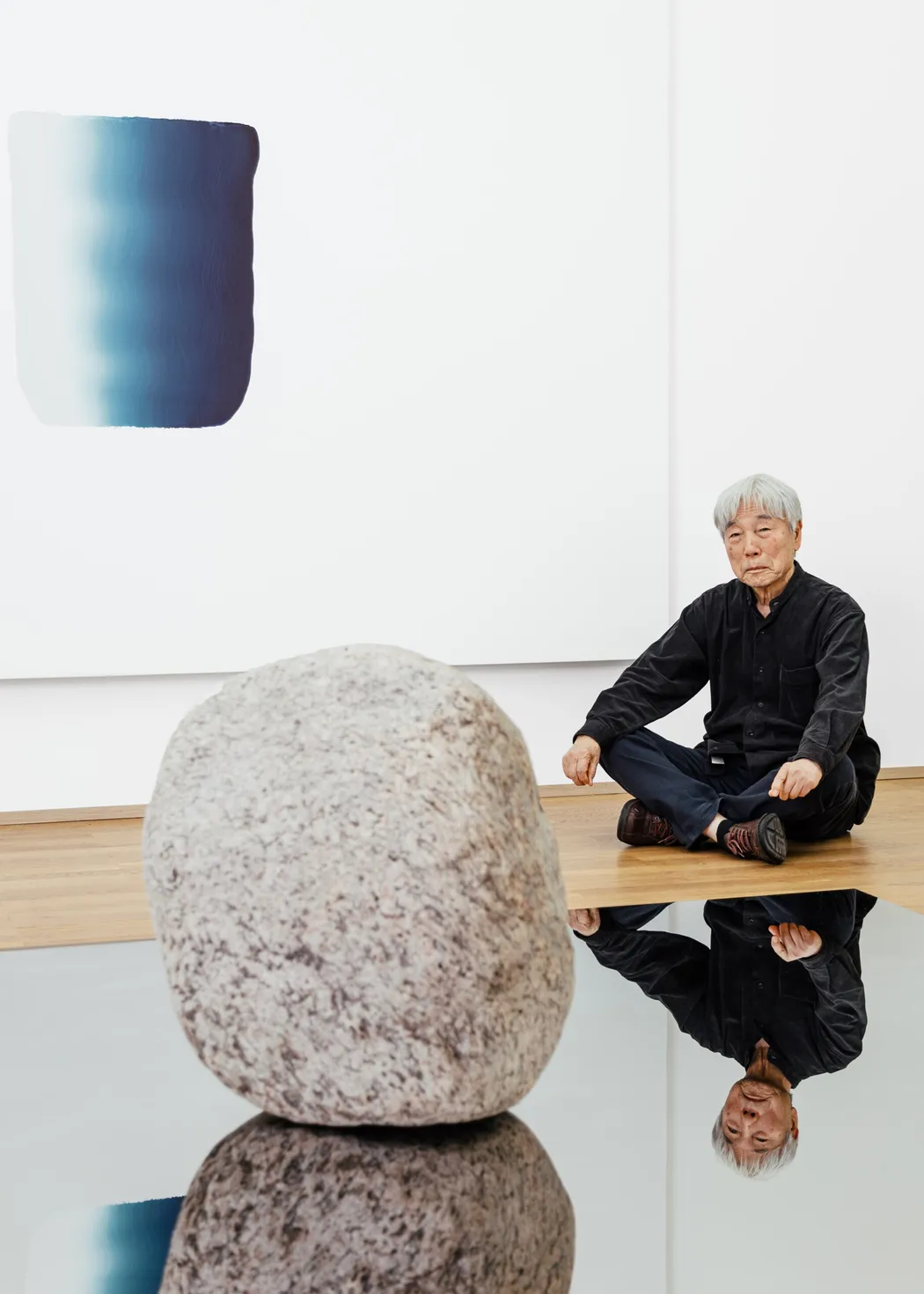 “Lee Ufan”, Hamburger Bahnhof – Nationalgalerie der Gegenwart, 2023-2024 © Lee Ufan. Courtesy of Studio Lee Ufan / VG Bild-Kunst, Bonn 2023 / Jacopo La Forgia
Lee Ufan's first major retrospective at Hamburger Bahnhof Museum, Berlin's powerhouse of contemporary art. The special dialogue between Lee's 'Relatum - The Mirror Road' and Rembrandt's famous self-portrait was truly mind-blowing. In addition, witnessing the global art world celebrate his unique vision at the opening was an unforgettable experience.
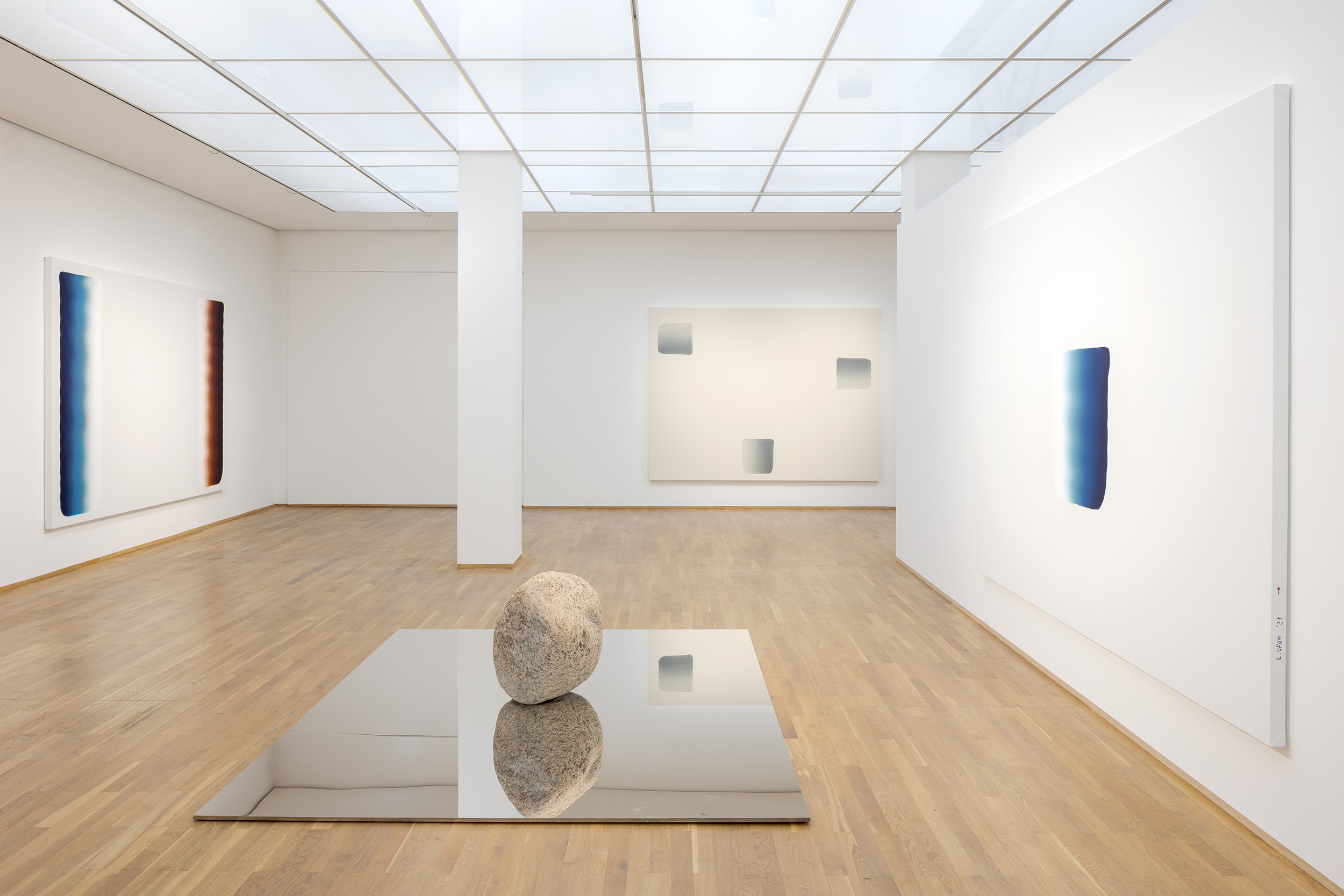
“Lee Ufan”, Hamburger Bahnhof – Nationalgalerie der Gegenwart, 2023-2024 © Lee Ufan. Courtesy of Studio Lee Ufan / VG Bild-Kunst, Bonn 2023 / Jacopo La Forgia