
Centre Pompidou Seoul is set to open in June 2026, marking a landmark moment for Seoul’s contemporary art landscape. The institution brings one of the world’s most prestigious museums to the city, providing a platform for global modern and contemporary art while fostering cultural exchange between Korea, France, and the wider international art community.
Partnership & Space
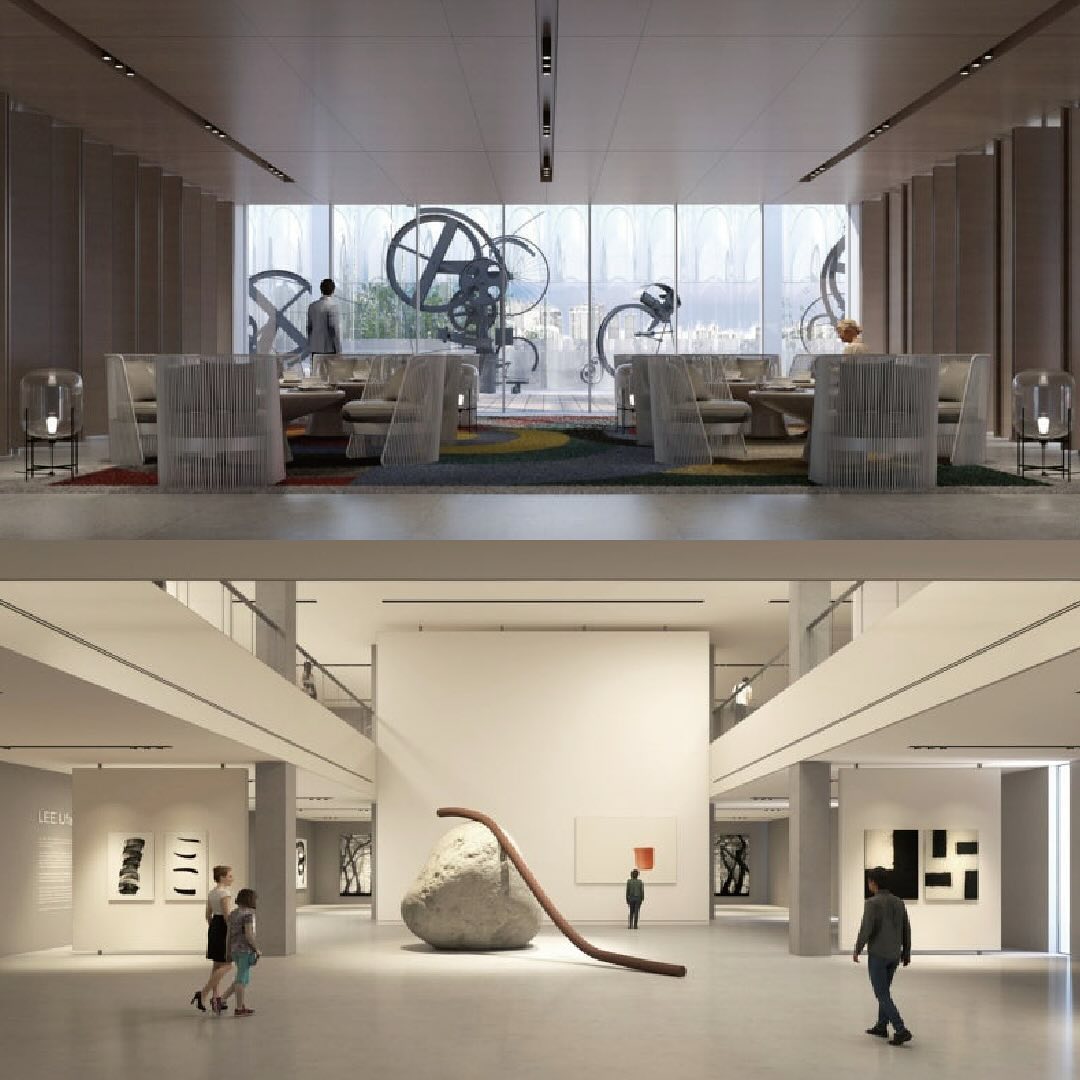
Centre Pompidou Seoul, established in partnership with the Hanwha Foundation, operates under a four-year agreement, with collaborative programming designed to present two major exhibitions per year. The museum is housed in the iconic 63 Building in Yeouido, Seoul’s leading financial and cultural district. The renovated space spans approximately 3,300 m² (1,000 pyeong), featuring two large exhibition galleries flooded with natural light during the day and illuminated to the cityscape at night—a concept described as the “box of light.” The architectural redesign was led by French architect Jean-Michel Wilmotte, whose portfolio includes renovations for the Louvre Museum, the Élysée Palace, and Incheon International Airport.
Inaugural Exhibition – The Cubists: Inventing Modern Vision
The opening exhibition, The Cubists: Inventing Modern Vision, highlights Cubism as a pivotal movement in 20th-century art. Beyond serving as a standard survey of the Pompidou’s collection, the exhibition offers a rigorous art-historical framework, tracing Cubism’s inception, dissemination, and global development through a chronological narrative. Curated collaboratively by French and Korean teams, the exhibition situates Cubism as a lens through which modern visuality emerged, signaling a symbolic new beginning for the museum in Seoul.
Highlights of the exhibition include Picasso’s monumental ballet stage curtain, Rideau pour le ballet “Mercure” (1924), presented in Korea for the first time, alongside 90 works—including paintings and sculptures—by more than 40 artists, such as Pablo Picasso, Wassily Kandinsky, Henri Matisse, Marc Chagall, Fernand Léger, and Juan Gris. The exhibition is organized into eight thematic sections, offering audiences unprecedented access to works rarely seen in Korea. A special segment, “Korea Focus,” explores the intersections of Western Cubism with early 20th-century Korean modern art, photography, literature, and dance.
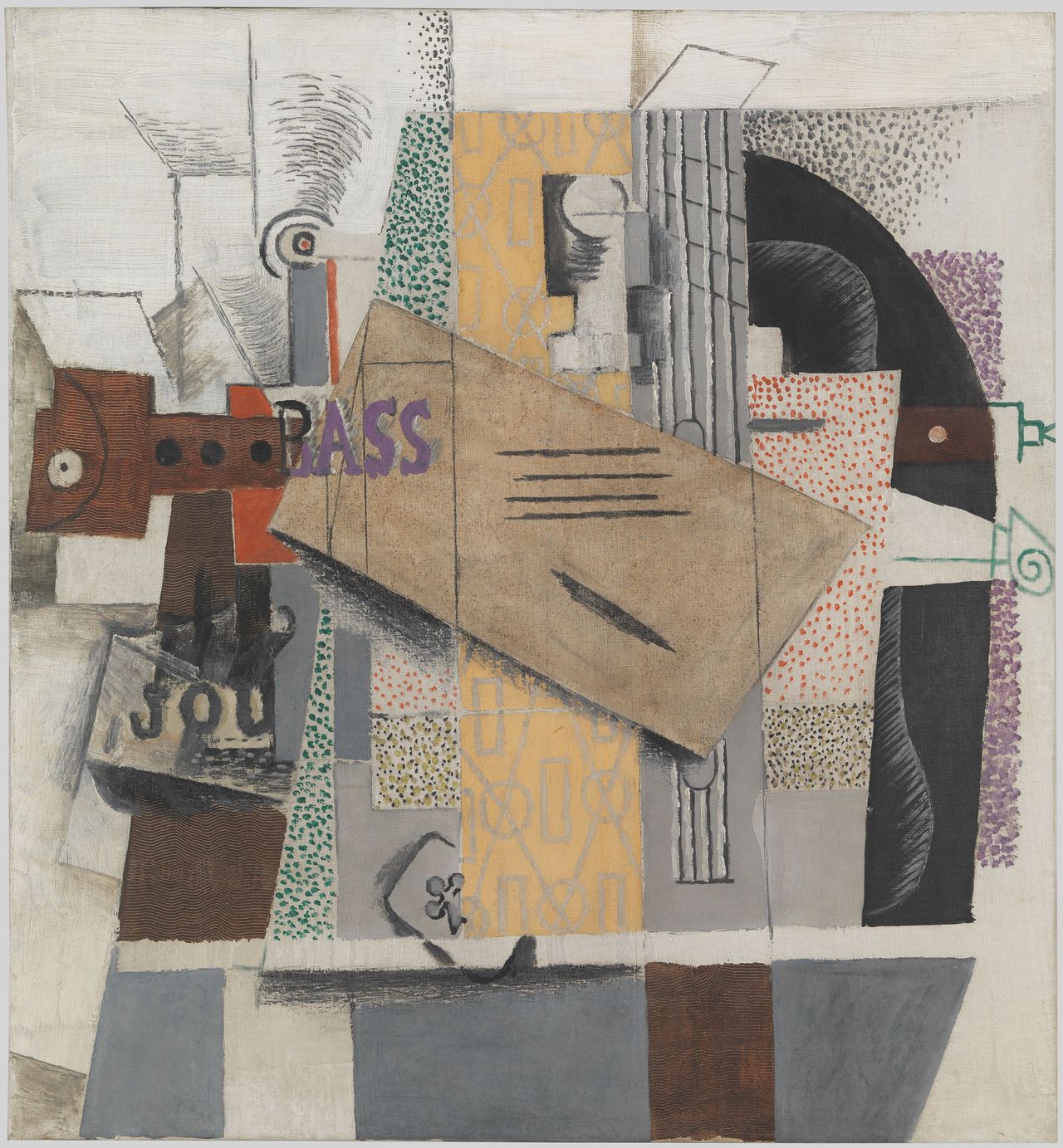
Pablo Picasso, "Violin" (1914), ©Centre Pompidou
Upcoming Program Highlights
Over the next four years, Centre Pompidou Seoul will present two major exhibitions annually, drawing primarily from the Pompidou’s renowned collections in Paris. Planned exhibitions include:
- Solo and thematic exhibitions on Marc Chagall, Wassily Kandinsky, Henri Matisse and the Fauves.
- Exhibitions emphasizing Surrealism and abstract art.
- Major exhibitions highlighting women artists, long underrepresented in art history.
- A large-scale exhibition on Constantin Brâncuși, the first of its kind in South Korea.
In parallel, the museum is part of a broader ecosystem of artist support initiatives, including the Hanwha Foundation’s Youngmin International Residency Program and the New York-based Space ZeroOne. These programs aim to support emerging artists, foster experimentation, and expand global artistic exchange.
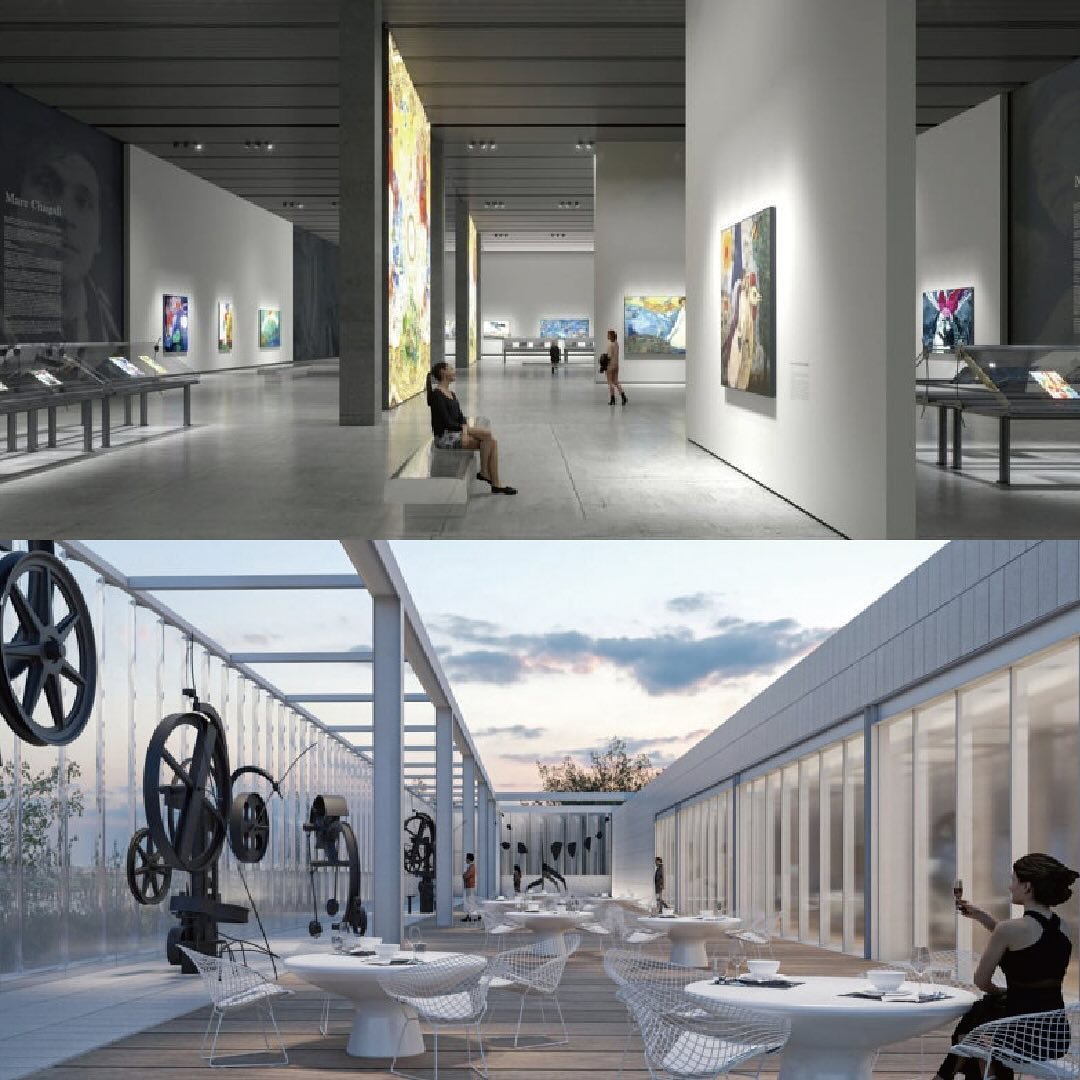
Centre Pompidou Seoul aspires to serve as a dynamic hub for contemporary art in Asia, bridging Korea with France and the global art scene, and offering visitors a new cultural experience that integrates international modern art with Seoul’s vibrant artistic community.
Beyond presenting a world-class collection, Centre Pompidou Seoul signals a turning point for Korea’s contemporary art landscape. By hosting one of the most prestigious global museums, the city positions itself as a serious player on the international art stage, fostering cross-cultural dialogue and inspiring new modes of artistic experimentation. For KALDI, sharing this development on our platform highlights not just the exhibition, but the evolving infrastructure and ambition of Seoul’s art ecosystem—inviting our audience to understand how global institutions are shaping the future of art in Asia.